A lightweight concrete air content test must suit the aggregate. For concrete made with porous lightweight aggregate, use an appropriate volumetric method rather than treating a pressure-meter reading as an acceptable substitute. Agree the governing method with the project laboratory before evaluating mixer performance. This guide covers lightweight-aggregate concrete; foamed and aerated cellular materials need their own assessment.
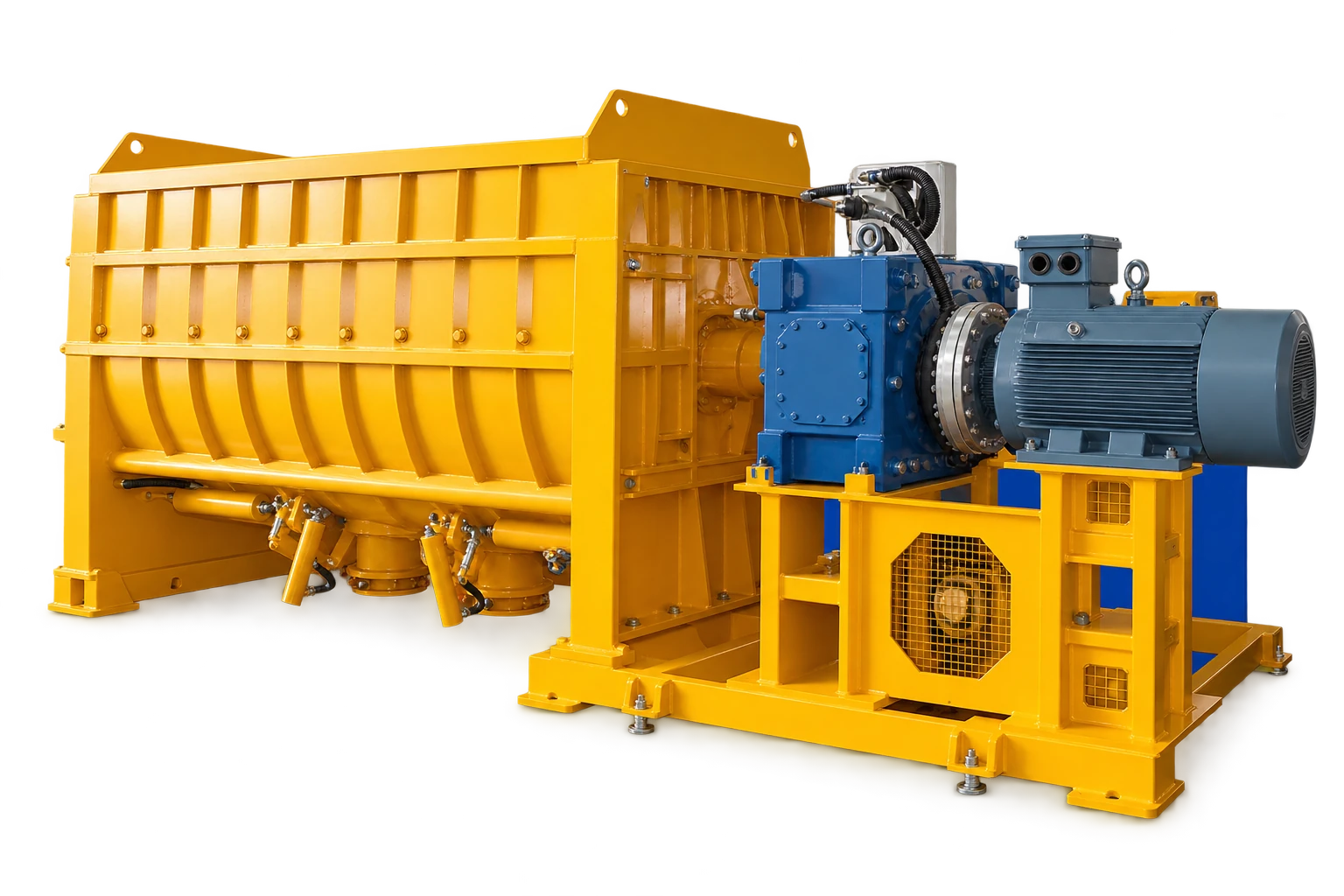
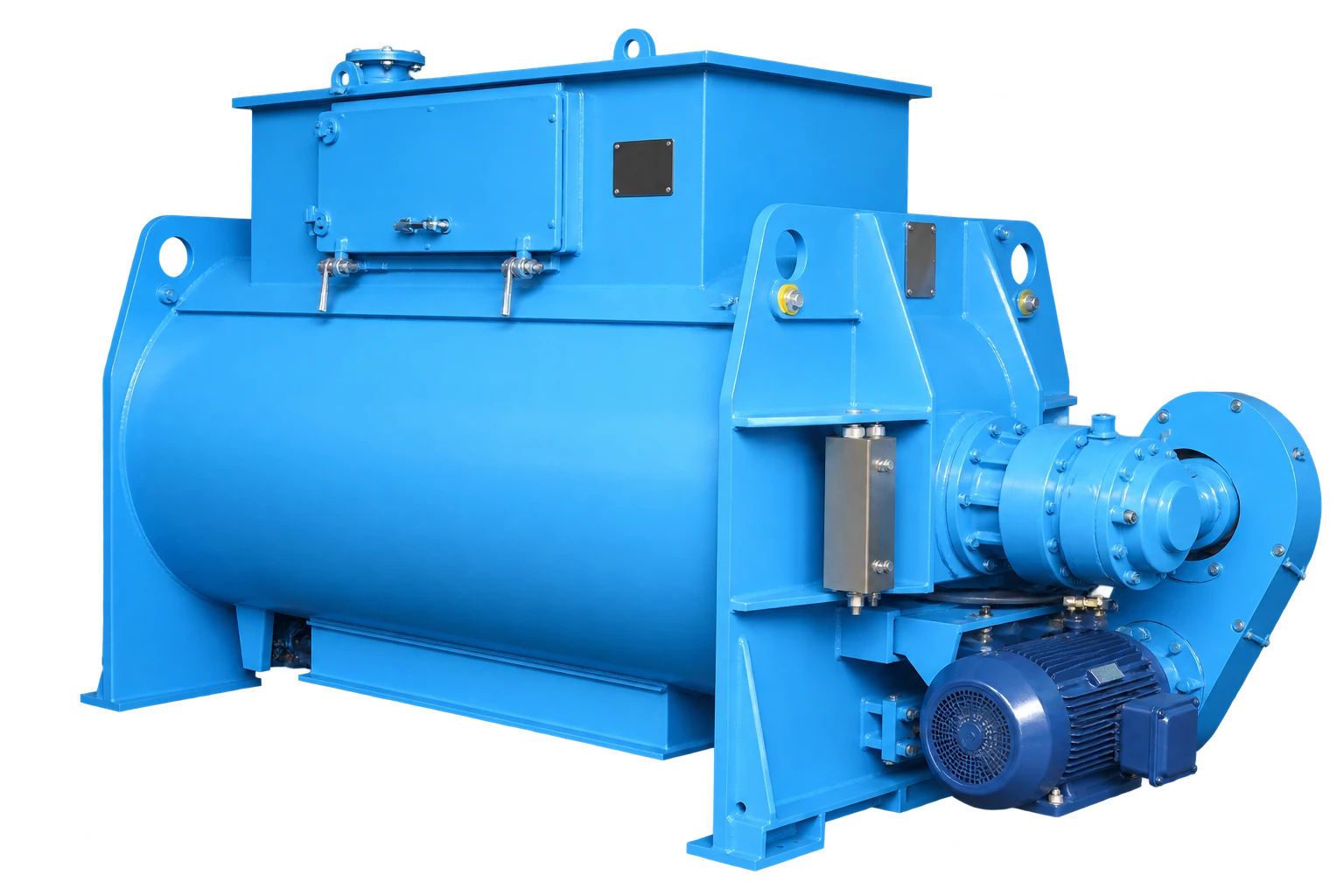
The MLO lightweight concrete mixer is a catalog option for this material family. Its model does not specify a target air content or validate a test method. Include the intended aggregate and acceptance procedure in the inquiry so the equipment offer and laboratory offer describe the same trial.
Select the method before setting an acceptance limit
ACI’s fresh-concrete testing explanation distinguishes gravimetric, volumetric and pressure methods. Aggregate-pore air prevents ordinary pressure testing of low-density aggregate concrete. Ask the laboratory to identify the applicable volumetric procedure and its edition, not merely supply an instrument called an air meter.
The public scope of ASTM C231/C231M-26 excludes lightweight or highly porous aggregate and directs users to C173/C173M. This is a method boundary, not a VOGO certification. Obtain the authorized procedure for execution; a public scope and this article do not replace the full testing instructions.
Where a project uses another national standard, ask its responsible engineer to approve the method and any equivalence. Do not silently substitute ASTM, AASHTO, EN or GOST designations in a translated quotation. Keep the actual contract designation visible in every language.
Use a method-selection hold table
The following is a proposed buyer review tool, not a standard test procedure. Complete it with the laboratory before committing to acceptance testing.
| Material or evidence | Proposed review action | Hold the acceptance decision when |
|---|---|---|
| Porous lightweight aggregate identified | Confirm an applicable volumetric method | Supplier proposes C231 pressure testing |
| Dense aggregate with a proposed pressure method | Laboratory verifies method scope and aggregate correction | Aggregate identity or correction is unknown |
| Mixed or unfamiliar aggregate source | Submit complete constituent information | Applicability is inferred from concrete density alone |
| Foamed or aerated cellular material | Commission a separate method review | Lightweight-aggregate rules are copied without assessment |
| Density certificate only | Request the specified air measurement separately | Density is presented as direct air-test evidence |
Do not use a low apparent density as the sole reason to classify the aggregate. Send the aggregate supplier’s identification, grading and relevant material information. If the identity changes between a demonstration and production, reopen the method review before comparing results.
Keep density and air records distinct
The FHWA bridge primer, sections 2.2.2 and 2.2.3, separates fresh from equilibrium density and discusses volumetric air testing for lightweight concrete. It is a November 2021 engineering guide, not evidence that its cited standard editions govern a current purchase.
Label the density state explicitly on the trial sheet. Ask the designer which property is required at delivery and which belongs to hardened material. Keep an air result in its own field, with method and sample identity. A density change should prompt review of the records rather than an unsupported conversion to a new air percentage.
Define a reproducible sampling comparison
For a mixer acceptance proposal, name the batch, recipe revision, aggregate lot and conditioning record. Mark the sampling stage on the plant flow diagram: mixer discharge, delivery or placement. A comparison needs a defined location and time; a result taken elsewhere answers a different acceptance question unless the agreed plan says otherwise.
Have the laboratory propose the sample quantity, collection procedure, handling, apparatus checks and reporting requirements under the selected method. The buyer should agree who witnesses collection and who can authorize a deviation. No one should change the test procedure to make a marginal batch pass.
If the project requires discharge-uniformity evidence, have the technologist define the comparison and permissible variation. Do not invent a universal number of samples or an acceptance tolerance. The lightweight mixer selection guide covers capacity and aggregate conditioning; this page adds the test-method and record boundary.
Make the quotation return an evidence package
Request separate prices or clear inclusions for equipment, representative materials, trial operation, laboratory attendance, instruments, reports and agreed retesting. These are proposed quotation line items, not claims that VOGO supplies an accredited laboratory. Identify the responsible organization for each item and any travel or sample-transport scope.
Require a trial report template before the demonstration. It should carry the acceptance criterion, governing method, apparatus identification, sample and batch identifiers, collection and test times, measured result, density basis, deviations and disposition. Keep the raw laboratory record attached to the summarized acceptance sheet.
State how a failed or invalid test is handled. An invalid method cannot be rescued by averaging its result with a valid one. Ask the responsible laboratory to document the reason, corrective action and authorized repeat. Keep the original record available so a favorable retest does not erase the failure history.
Conclusion
A lightweight concrete air content test supports mixer acceptance only when the method fits the aggregate and the result belongs to an agreed sample and criterion. Resolve method applicability, density terminology and laboratory responsibility before comparing quotations. Keep process capacity, air acceptance and hardened performance as separate deliverables.