UHPC fiber orientation and specimen casting must be considered together when writing an acceptance plan. A specimen poured by a convenient laboratory route may not represent the production component. Define how the material flows into the mold, where specimens originate and how the test loading axis relates to casting. Agree that evidence before comparing mixer trials or quotations.
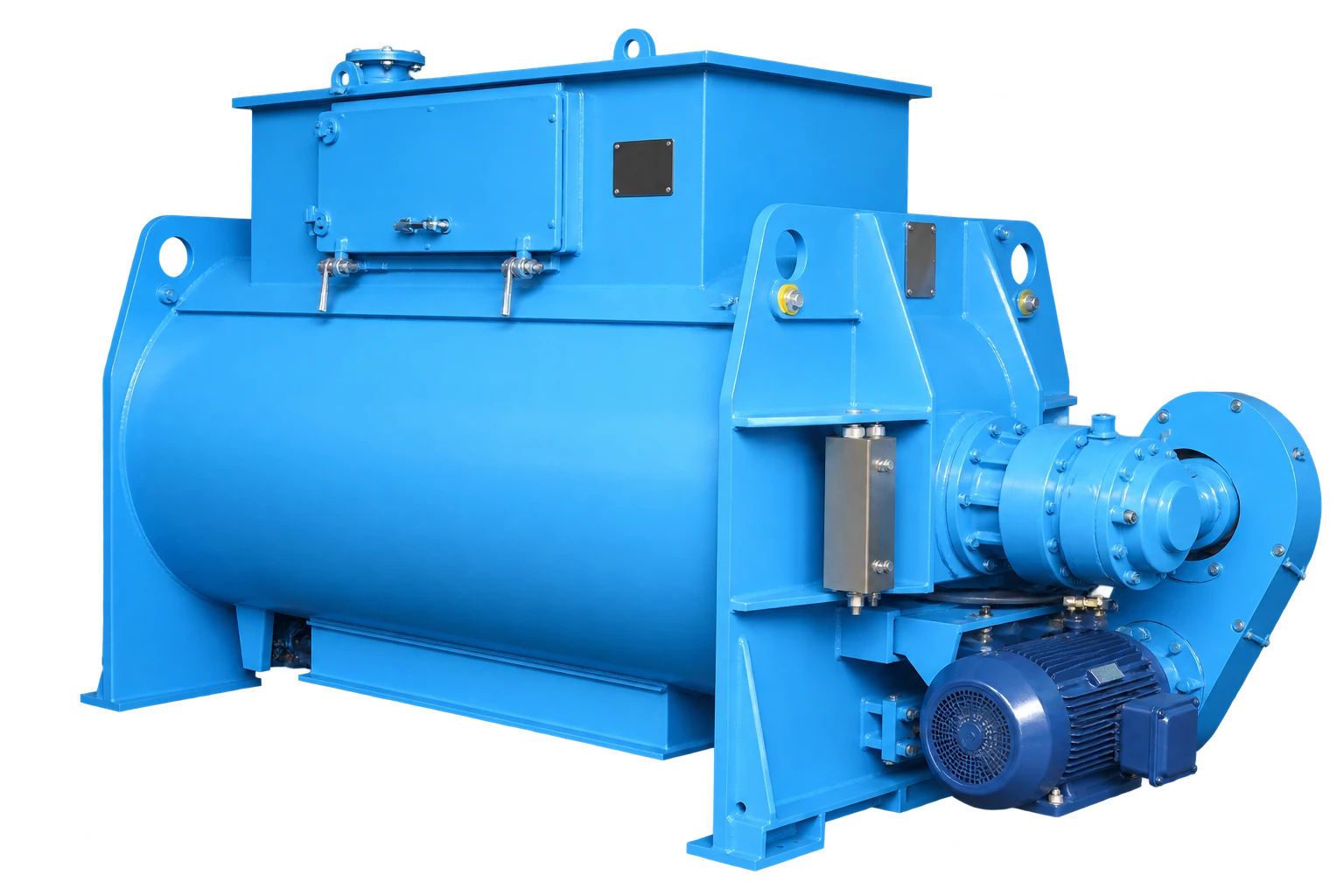
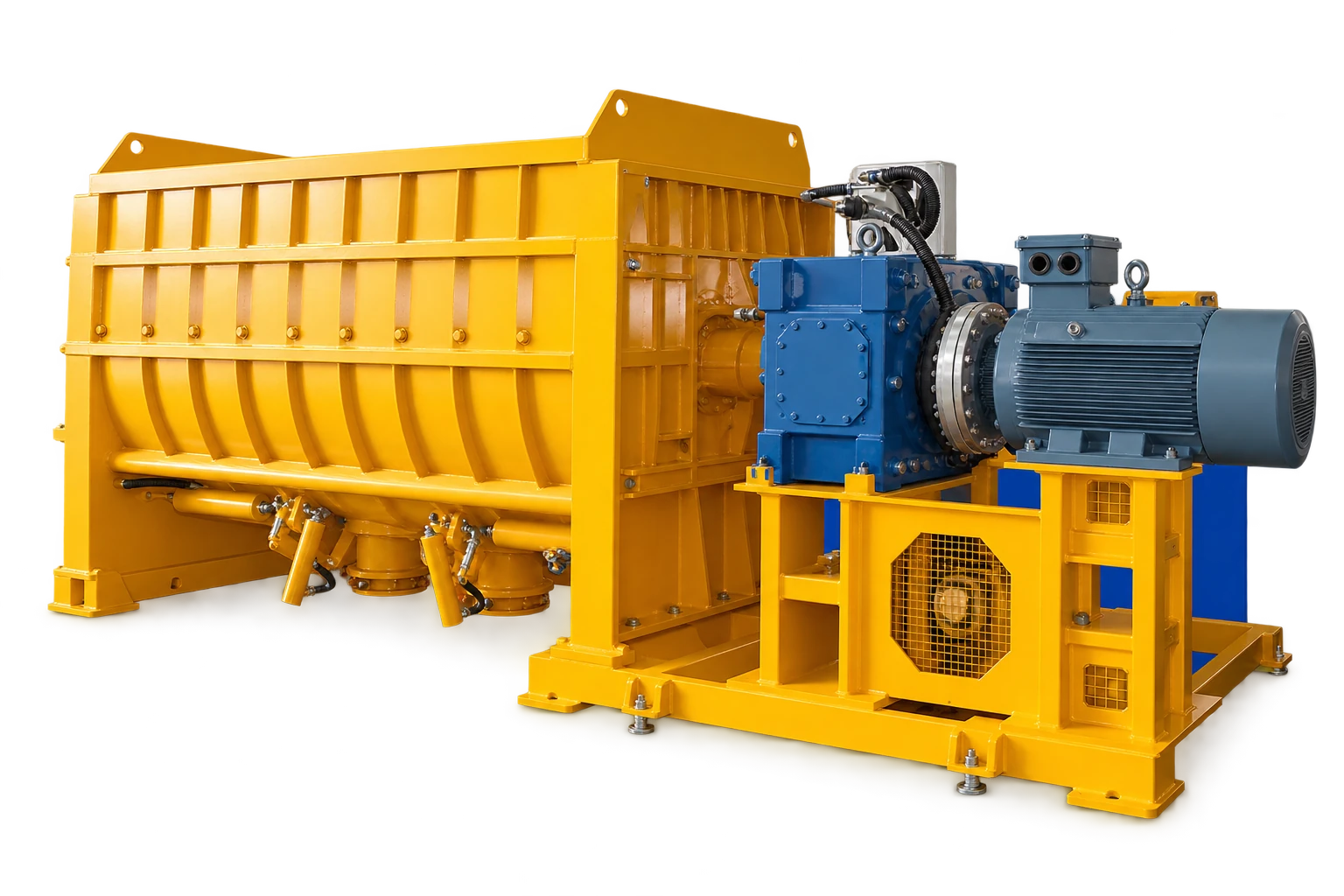
The UHPC high-performance concrete mixer is a catalog selection for UHPC formulations. The listing does not establish the tensile performance of a particular mix or casting. Ask for a trial scope tied to your formulation and production interface, with laboratory and mold work explicitly included or excluded.
Why casting belongs in the acceptance discussion
FHWA’s March 2011 UHPC report explains that casting flow can influence fiber alignment and that concrete rheology affects fiber suspension. Uniform mixing and representative placement therefore need separate evidence. A mixer cannot alone control the geometry and filling path of a downstream mold.
The 2020 university-hosted research abstract by Zhang and colleagues reports directional behavior and interlayer weaknesses in a particular fiber-alignment study. It supports checking casting direction, not copying its formulation or assuming a universal strength increase. Only the public abstract was reviewed; no unavailable full-paper details are claimed here.
Keep material acceptance, mixer acceptance and component design separate. A laboratory result answers the question defined by its specimen and method. The engineer remains responsible for determining how that result may be used in the actual structural application.
Freeze a casting map before the demonstration
Prepare a drawing that shows mold geometry, filling point, flow path, intended stops and the production orientation. Give each sampling or cutting location a label. Mark the test loading direction on the same drawing instead of relying on a photograph taken after specimens have been separated from the component.
Ask the laboratory to specify whether specimens will be independently molded or obtained from an approved representative casting. Neither route should be described as automatically equivalent to the other. Obtain the project’s decision before preparing samples and preserve its limitations in the report.
| Record field | Proposed requirement | Comparison that should be held |
|---|---|---|
| Batch and formulation | Unique batch and approved recipe revision | Different material treated as the same trial |
| Mold and filling | Drawing, entry point and filling sequence | Convenient coupon compared with another flow path |
| Location | Labeled sample or cutting map | Specimen origin cannot be reconstructed |
| Direction | Casting direction and loading axis | Results pooled without orientation labels |
| Curing and age | Actual controlled record | Different histories called identical |
| Test method | Approved geometry, method and criterion | Results from unlike procedures compared directly |
This is a proposed traceability table, not a standardized test method. The laboratory must provide the prescribed specimen dimensions, number, preparation, loading procedure and result interpretation. Do not improvise those details from a mixer brochure.
Separate mixing changes from casting changes
For a useful trial comparison, decide which variable is being evaluated. If the question concerns the mold-filling route, keep the approved batch procedure fixed and document the actual discharge and handling timeline. If the mixer procedure changes, label it as a separate process case rather than attributing the difference solely to orientation.
Record interruptions and sample timing, including material held while the next mold is prepared. These are proposed comparison controls. They do not establish an allowable hold time: the formulation supplier and project procedure must define that limit. A visually fluid batch is not independent evidence of its eventual tensile response.
Use the existing UHPC production mixing-sequence guide for charge order, liquid addition and fiber feeding. Keep those instructions in their owning page. This plan follows the accepted batch into the mold and laboratory rather than prescribing another universal mixing sequence.
Use a trial matrix that preserves the question
As a planning example, label the approved reference casting A and a proposed changed filling route B. Use the same stated formulation and approved curing basis, then retain separate specimen sets with their locations and loading axes. These letters are hypothetical identifiers, not a specified test count or proof that the two routes are acceptable.
Before making either casting, ask the laboratory how it will evaluate variation within a set and between sets. The engineer must decide the required representative extent and acceptance rule. Do not report only the strongest coupon or average directions that the approved plan requires to remain distinct.
FHWA’s August 2006 characterization study documents batch/specimen identification and multiple curing regimes. Its traceable records illustrate the value of keeping these conditions attached. Its particular batch sizes, curing treatments and measured properties are not settings or limits for a VOGO production trial.
Price the evidence scope, not a strength promise
The inquiry should distinguish mixer supply, representative materials, production molds, any trial casting, specimen preparation, laboratory testing, witnessing and final reporting. Ask who owns each activity and whether a failed or invalid test includes an authorized repeat. Identify subcontracted services instead of implying that every item is supplied by the mixer manufacturer.
Require bidders to return a marked-up acceptance matrix with inclusions, exclusions and assumptions. Where no representative casting has been agreed, describe the offer as incomplete for that acceptance question. A lower equipment price does not resolve an omitted laboratory or mold package; compare the documented scope before drawing a cost conclusion.
Conclusion
For UHPC fiber orientation and specimen casting, preserve the path from batch to mold to loading axis. Agree the representative casting, laboratory procedure and decision rule before the trial. Keep coupon evidence within its stated scope and make quotation inclusions visible rather than treating a favorable specimen as a universal equipment guarantee.