An artificial stone mixer specification must define the real formulation and the complete exposure-control boundary. Give bidders the powders, aggregate, resin or other binder, pigments, batch range, sequence, viscosity and acceptance tests. Specify contained feeding, ventilation interfaces, discharge, cleaning and safe isolation. Nominal litres and an enclosed appearance do not prove usable capacity or control respirable dust.
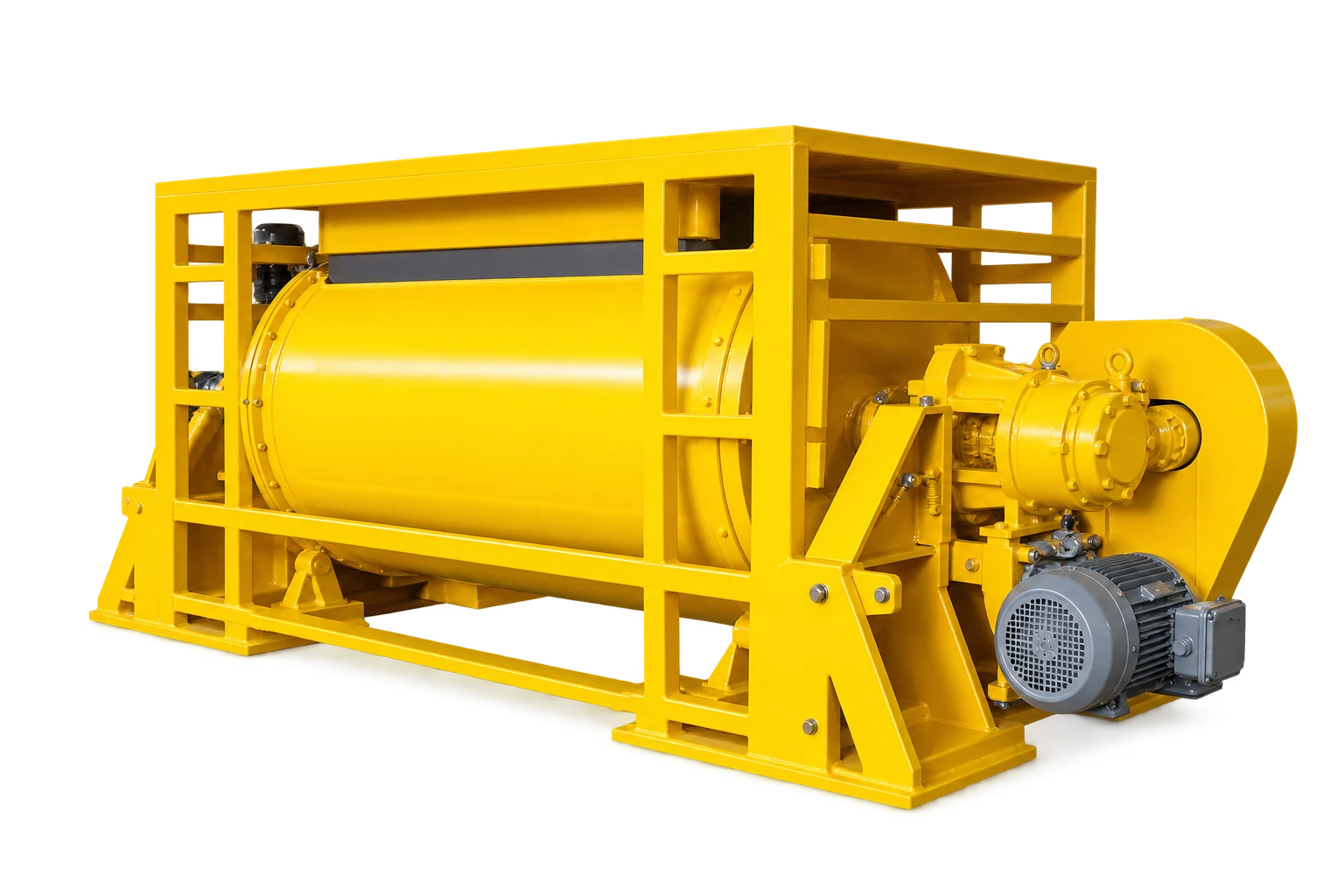
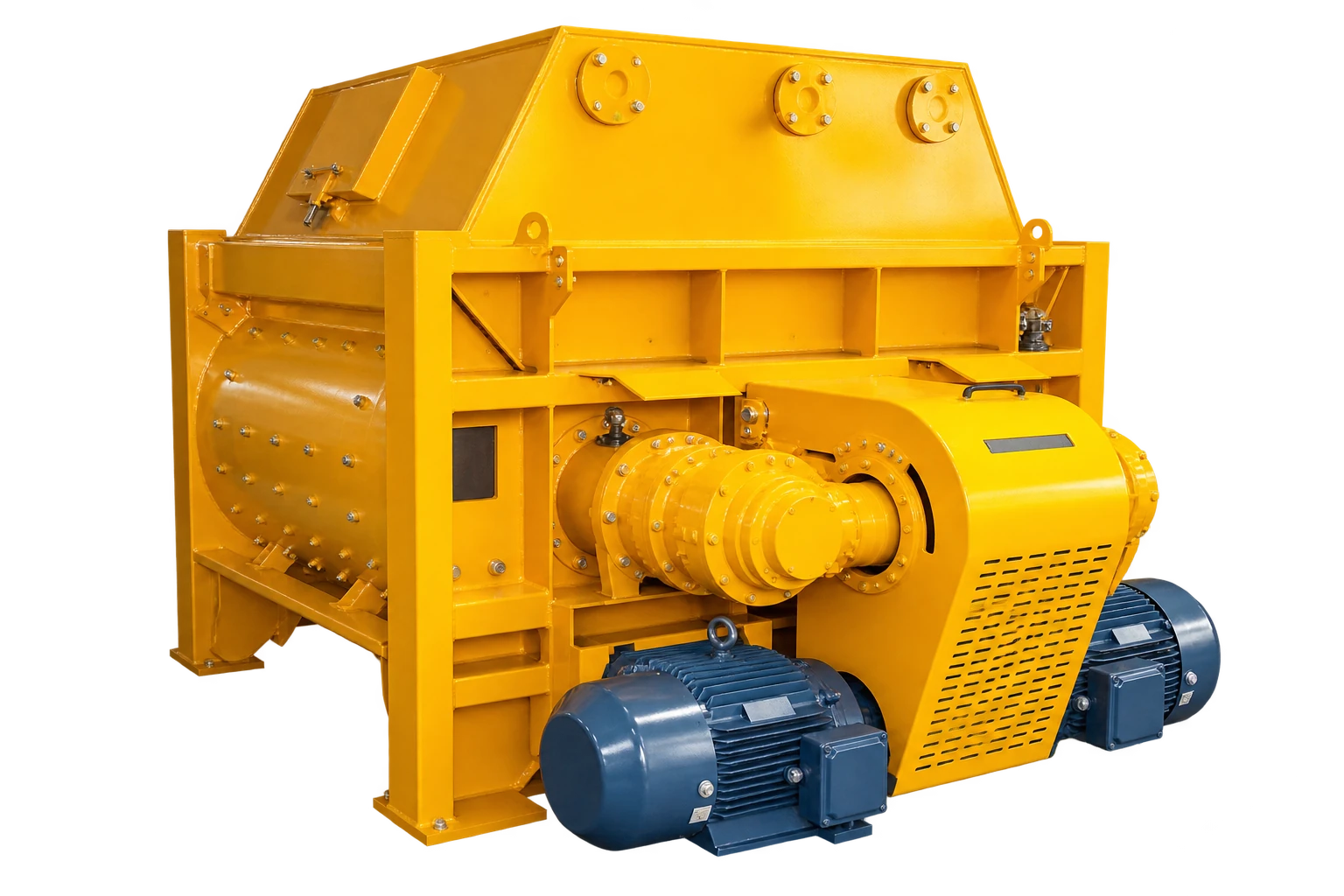
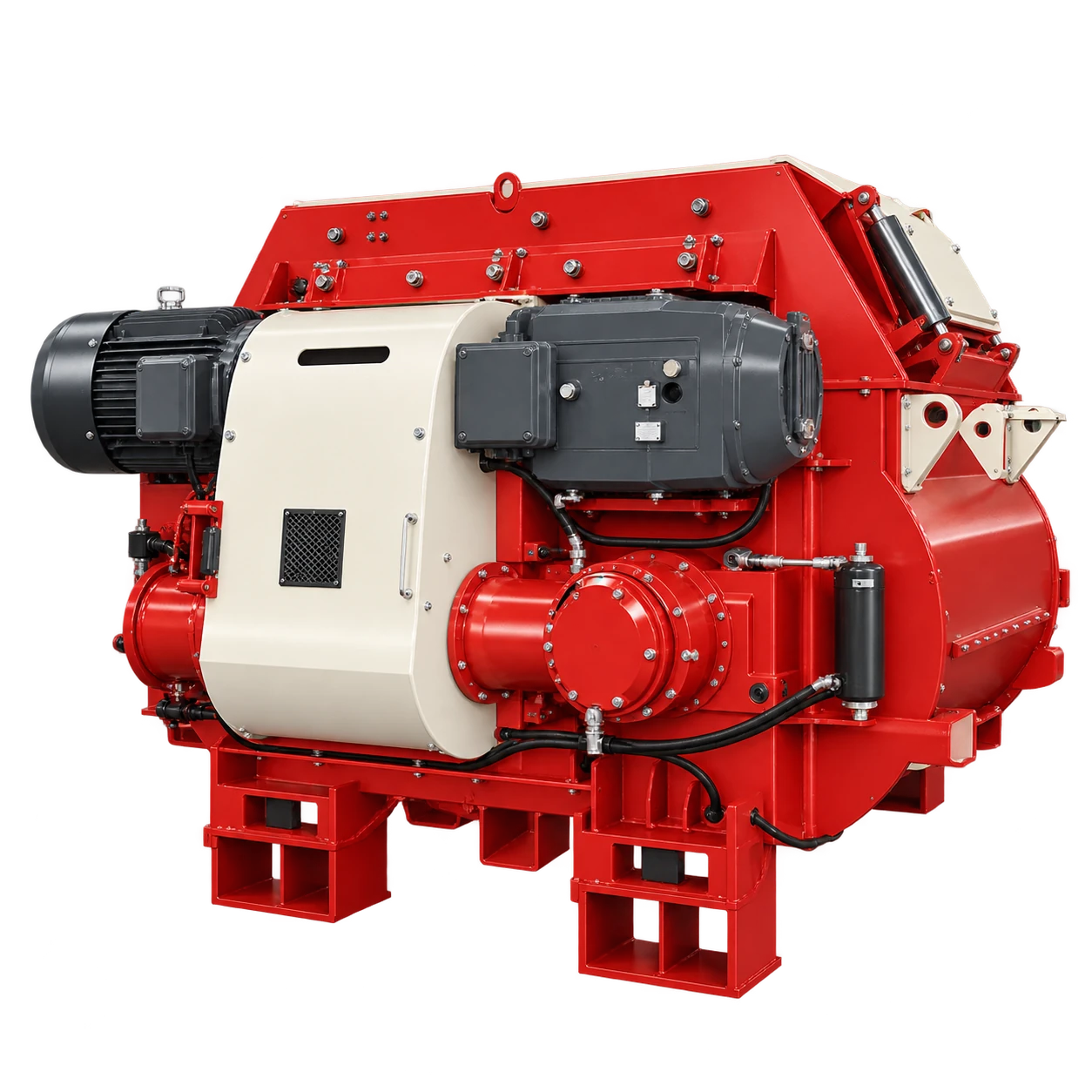
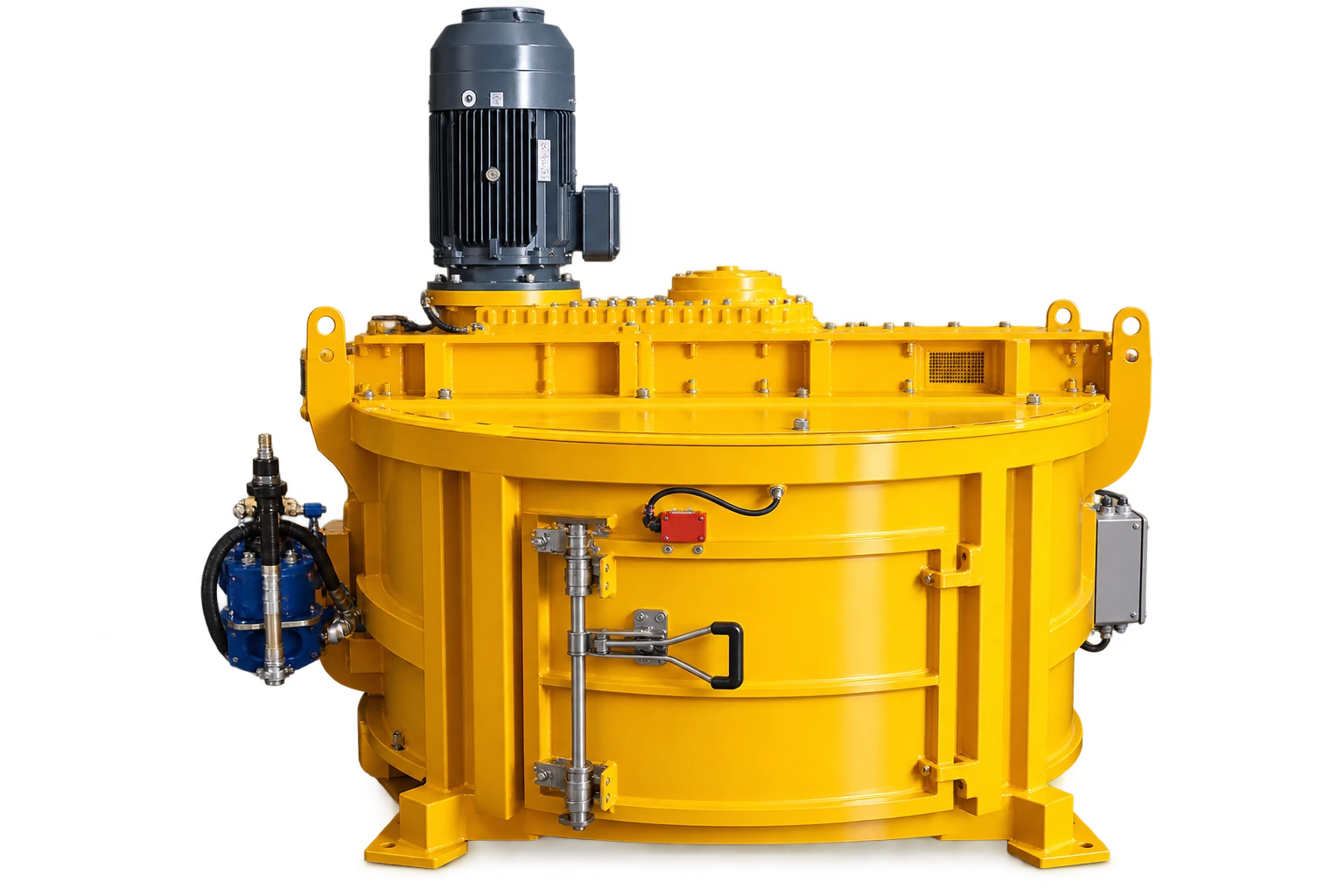
The HCM Artificial Stone Planetary Mixer is a 250–2,000 L-class catalog range for artificial stone and high-viscosity materials. VOGO selects the candidate by working volume, material viscosity and discharge arrangement. The product data do not claim a universal batch mass, dust-tight construction, pressure rating, silica compliance or finished-stone performance.
Start the artificial stone mixer specification with materials
List every solid and liquid, its normal and maximum mass fraction, bulk density or density, particle-size range, moisture, temperature and handling form. Identify which powders contain crystalline silica and obtain current safety data. Do not treat every artificial-stone formulation as identical; applicable law and product restrictions vary by jurisdiction and composition.
The joint OSHA/NIOSH hazard alert addresses respirable crystalline silica in natural and engineered stone work. It specifically identifies potential exposure during opening silica-powder bags, moving or mixing bulk raw materials, cleaning and scraping mixers, and servicing dust collectors. Those tasks belong in the equipment and operating specification—not only in a later PPE procedure.
Provide one supplier data sheet with:
| Input | Required project detail |
|---|---|
| Dry materials | Identity, silica information, particle size, bulk density and delivery form |
| Liquids | Resin or binder type, viscosity range, temperature and dosing tolerance |
| Pigments/additives | Dose range, package form, accuracy and contamination sensitivity |
| Batch | Minimum, normal and maximum accepted mass and volume |
| Product endpoint | Homogeneity, color, coating, void-related or other agreed tests |
| Changeover | Color sequence, acceptable carryover and release method |
Convert mass and volume without inventing working capacity
Do not equate total vessel volume with working volume. High-viscosity material, low bulk density, tool clearance, freeboard, power demand and discharge behavior can reduce the permissible load.
Hypothetical example: suppose dry solids occupy 0.75 m³ at a measured loose bulk density of 1,200 kg/m³, and liquids add 180 kg. The starting batch mass is:
0.75 m³ × 1,200 kg/m³ + 180 kg = 1,080 kg
This is a mass-balance example, not an HCM recipe, working load or performance claim. Entrained air, compaction and wetting can change occupied volume. Require the supplier to state the approved load basis and demonstrate the actual formulation at both minimum and maximum batches.
Calculate accepted hourly output from the complete cycle:
accepted batch mass × accepted batches per hour
The cycle includes weighing, transfer, mixing, discharge, gate movement, inspection and routine cleaning. Do not quote a theoretical mixing interval as total plant throughput.
Specify containment and ventilation as systems
An enclosed lid can reduce direct release but does not establish dust-tightness, capture velocity or plant pressure. Identify every release point: bag opening, big-bag discharge, powder transfer, mixer charging, inspection opening, discharge and cleaning.
OSHA 1910.1053 requires applicable employers to use feasible engineering and work-practice controls and to maintain a written exposure-control plan. It also restricts dry sweeping and compressed-air cleaning in specified circumstances. The regulation is workplace-specific; buying a mixer does not itself demonstrate compliance.
The UK HSE guide HSG258 explains that local exhaust ventilation requires design, commissioning, testing, documentation and maintenance. Specify the hood or enclosure concept, design airflow and pressure basis, duct connection, make-up air, air cleaner, interlocks and test points. HSE’s LEV commissioning guidance calls for checking installation against design and measuring performance. A flange diameter alone is not acceptance evidence.
Make sequence and quality measurable
Ask bidders to return an event-based sequence: powders, coarse particles, liquids, pigments and any vacuum or high-speed stage, if applicable. Each stage needs a purpose and an observable endpoint. Do not require vacuum merely because it appears desirable; define the product defect or process need it must address, the achievable operating pressure under the real load, and the verification method.
For a representative trial, record actual masses, addition times, mixer speed, current or power where available, temperature, total time, discharge time and operator intervention. Sample at defined discharge positions or times. Apply the project’s agreed tests for color, composition, coating, void-related properties or finished specimens.
A useful trial matrix includes the lowest and highest planned loads, the highest-viscosity formulation, the most sensitive pigment change and a repeated normal batch. The concrete color-changeover guide provides a separate method for validating carryover; use a project-specific release limit rather than assuming that visual cleanliness is enough.
Include discharge and cleaning in the purchase boundary
High-viscosity material may leave residue in gates, liners and transfer chutes. State the downstream opening, elevation, receiving equipment and maximum discharge time. Test discharge into a representative interface and inspect retained material after safe isolation.
Define cleaning media, waste route, color-change method, access doors, removable parts and inspection lighting. Avoid routine entry where external cleaning and inspection can do the work. When servicing requires access, isolate electrical, pneumatic, hydraulic, vacuum and gravity-fed sources. OSHA 1910.147 covers hazardous-energy control during maintenance; an emergency stop is not a lockout device.
Require the quotation to identify included feeders, liquid dosing, ventilation components, platforms, guards, controls, recipes, instrumentation, commissioning and operator training. Also require declared exclusions and utility conditions. This turns a mixer quote into a comparable system offer.
Conclusion
An artificial stone mixer specification connects a known formulation and batch range to controlled transfer, commissioned ventilation, measurable mixing, complete discharge and safe cleaning. Keep total volume separate from supplier-approved working load, and do not treat enclosure as proof of dust control or pressure rating. Use representative trials to decide whether an HCM configuration fits the process and local exposure-control obligations.
References
NIOSH/OSHA — Worker Exposure to Silica during Countertop Manufacturing, Finishing, and Installation ↗OSHA 29 CFR 1910.1053 — Respirable Crystalline Silica ↗HSE HSG258 — Controlling Airborne Contaminants at Work ↗HSE — Commission Your Local Exhaust Ventilation System ↗OSHA 29 CFR 1910.147 — Control of Hazardous Energy ↗