Stabilized soil mixing plant capacity should be specified on a declared mass basis: dry soil feed, as-received soil feed and wet finished mixture are three different numbers. Convert the approved recipe into simultaneous hourly feed rates, account for usable production time, and require a trial that measures proportioning and discharge uniformity. A catalog tonnes-per-hour figure alone cannot establish project output.
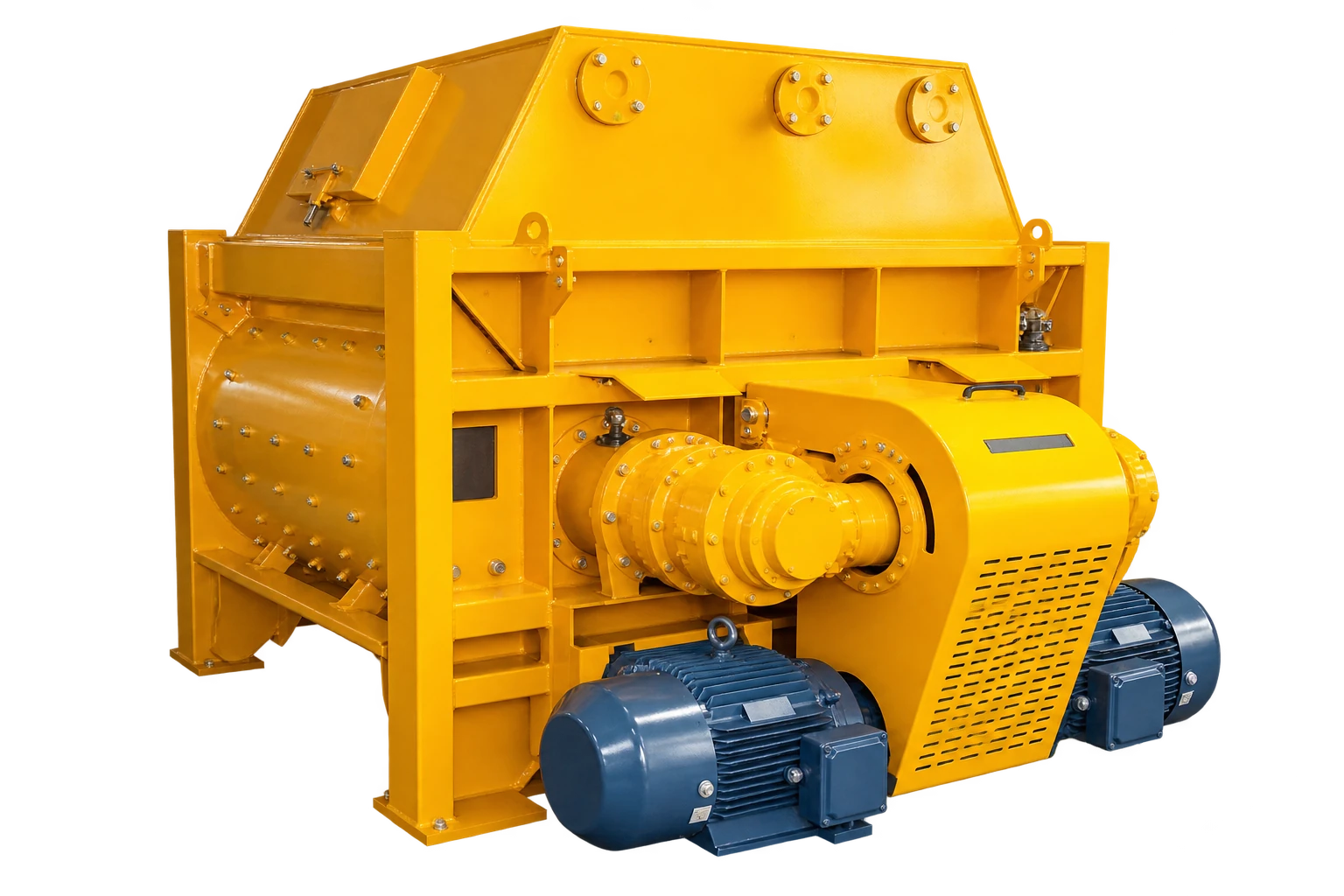
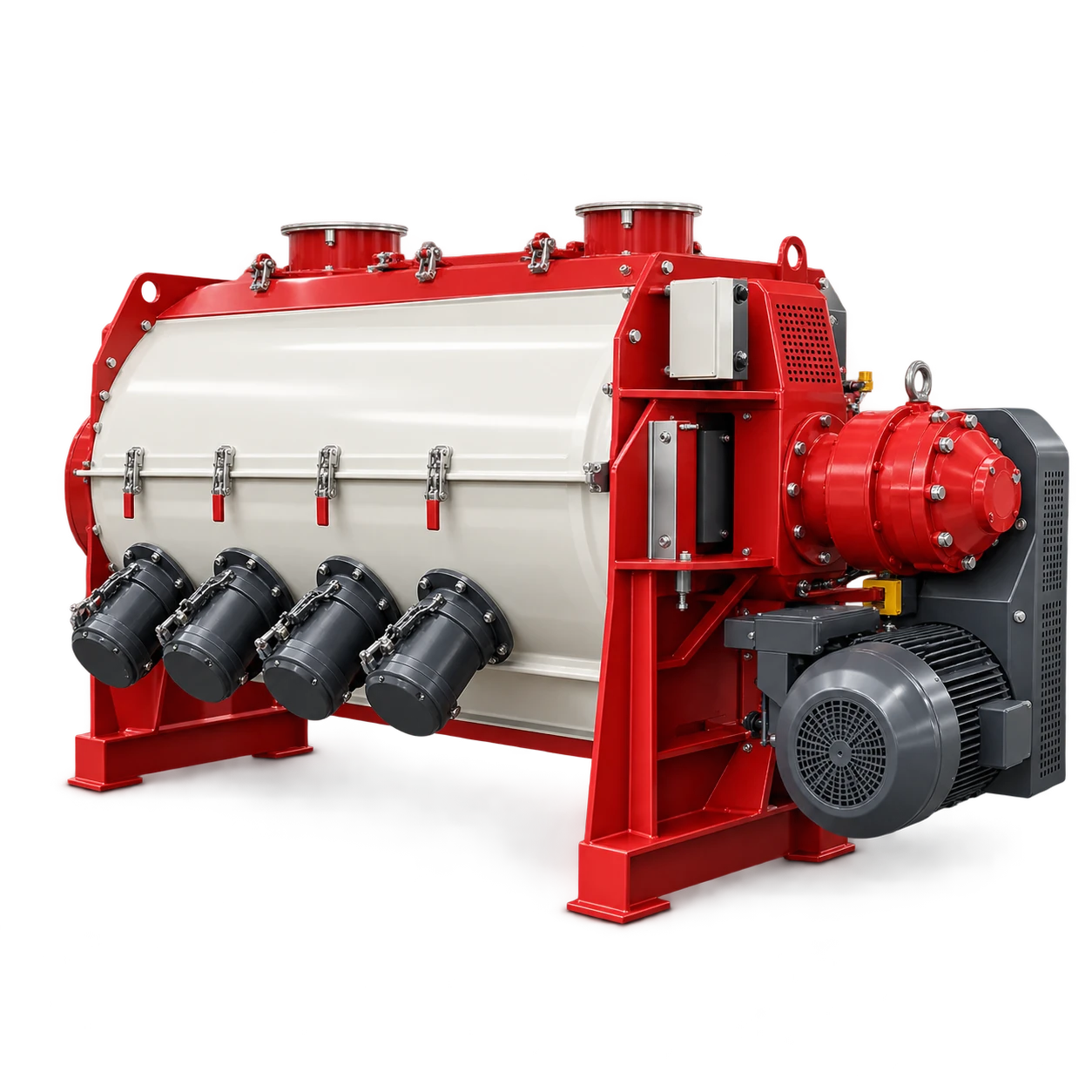
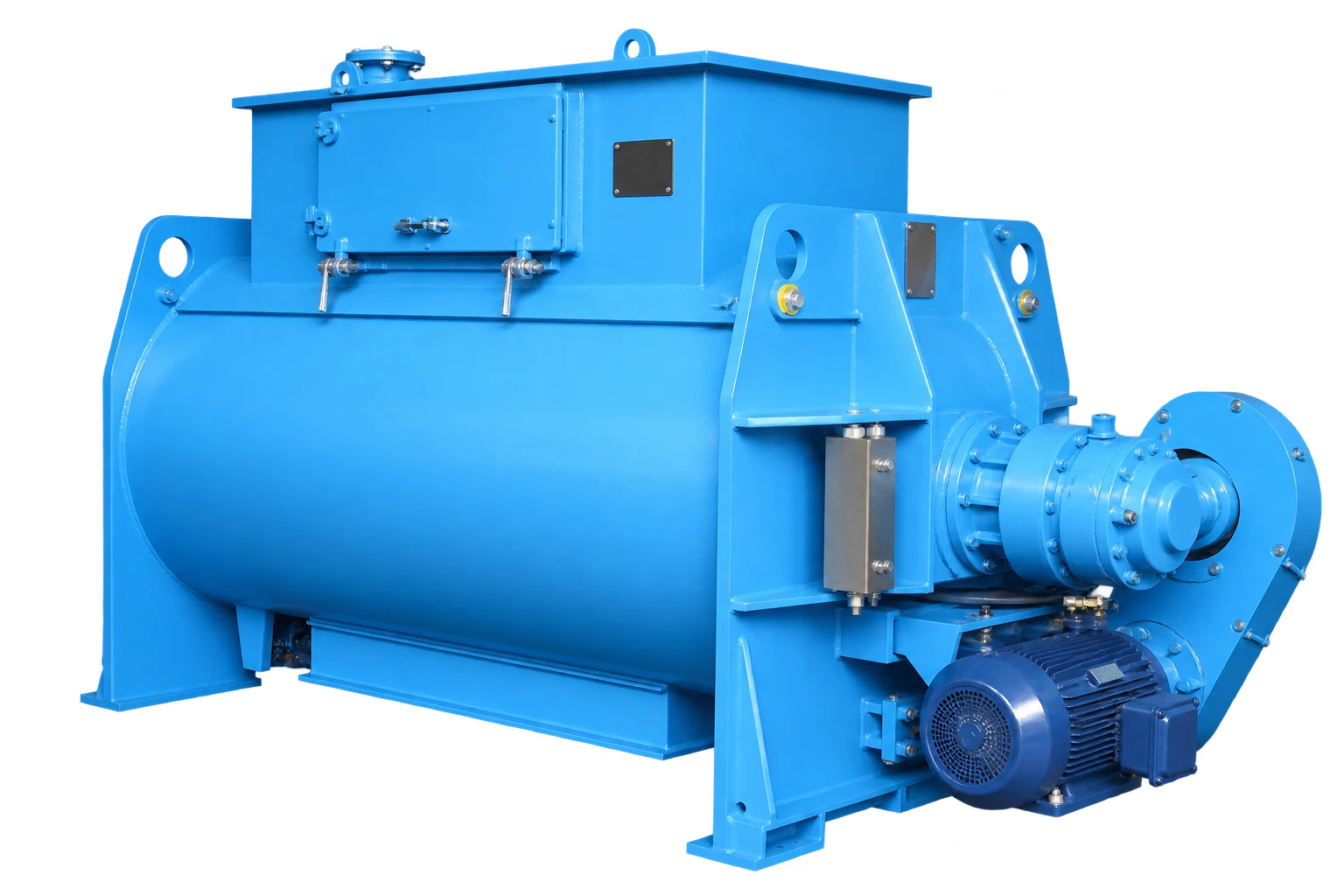
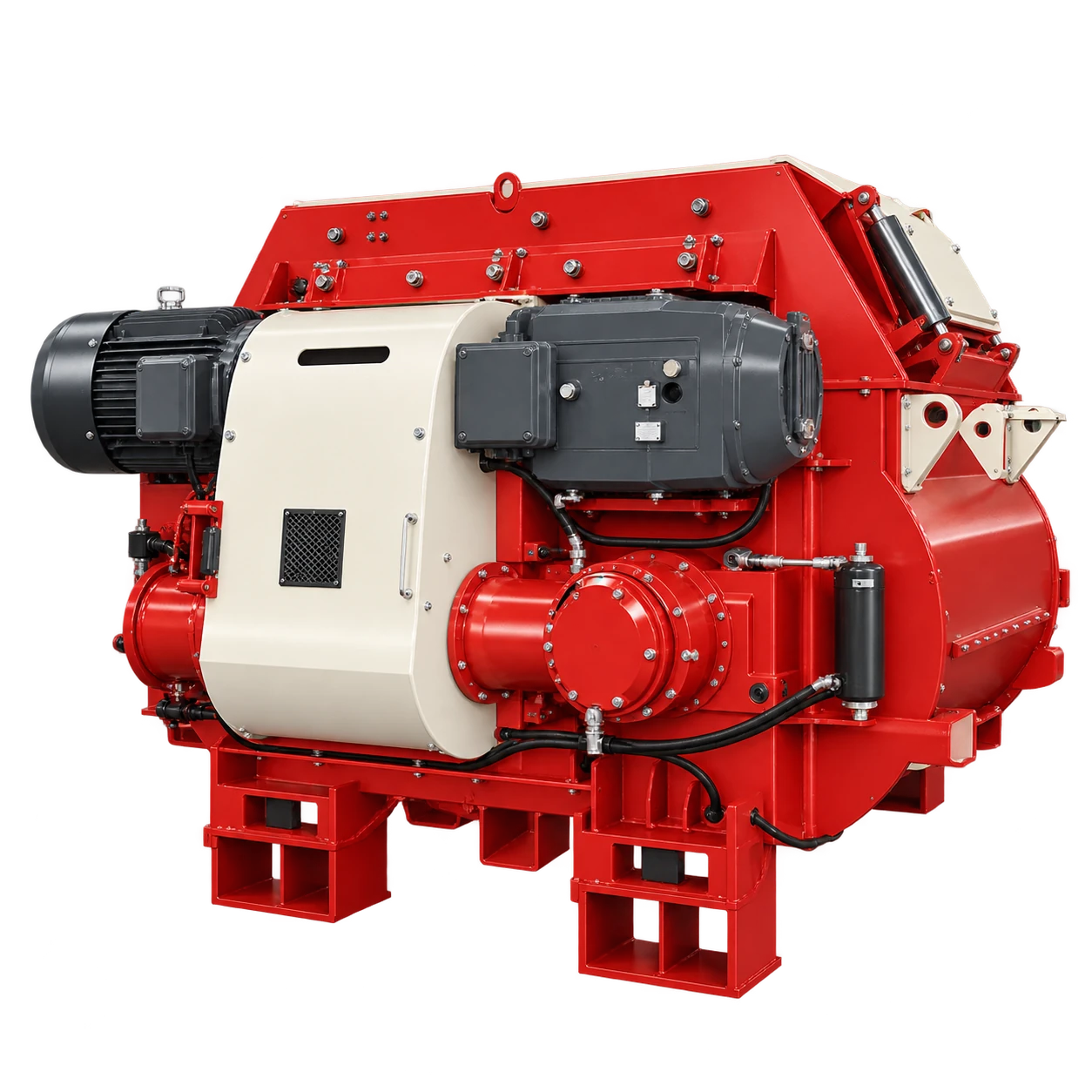
The MAS stabilized soil mixer is a continuous mixer family with a published catalog range of 160–560 t/h. That range is a product fact, not a statement that every soil, binder ratio or moisture condition will achieve it. The quotation must identify the rating basis and the selected configuration.
Define the stabilized soil capacity basis
Start with the material the project actually controls. The FHWA stabilized-base description defines these mixtures as aggregate or soil, cementitious material and enough water to create a compactable mixture. It also notes that plant-mixed material must still be transported, spread and compacted. Mixer discharge rate is therefore only one link in the production chain.
Record these quantities on the same time basis:
| Quantity | Required definition | Common error |
|---|---|---|
| Dry soil solids | Oven-dry or agreed laboratory basis | Calling an as-received belt rate “dry tonnes” |
| Incoming moisture | Sampling method, frequency and calculation basis | Using one morning result for variable stockpiles |
| Binder | Percentage basis and each constituent | Applying a percentage to wet feed without saying so |
| Added water | Flowmeter basis and correction rule | Ignoring water already in soil or liquid additives |
| Finished mixture | Total wet mass leaving the mixer | Comparing it directly with a dry-feed guarantee |
The project laboratory—not the mixer vendor—sets the approved binder and moisture target. USACE soil-stabilization guidance treats soil classification, laboratory proportioning and construction control as connected decisions. A different soil source or a material outside the tested envelope needs review rather than a simple speed increase.
Calculate all simultaneous feed rates
Use a mass balance before selecting a machine. For a wet-basis incoming moisture fraction m, dry soil demand D, dry binder demand B and final target water fraction w, the as-received soil rate is:
wet soil rate = D ÷ (1 − m)
Then solve the added-water rate A from:
(incoming water + A) ÷ (D + B + incoming water + A) = w
Hypothetical example: dry soil demand is 120 t/h, measured incoming moisture is 6% wet basis, dry binder is 5% of dry soil, and target final water is 10% wet basis. The wet soil feed is 120 ÷ 0.94 = 127.66 t/h; it contains 7.66 t/h water. Binder is 120 × 0.05 = 6 t/h. Solving (7.66 + A) ÷ (133.66 + A) = 0.10 gives approximately 6.34 t/h of added water. The finished wet mixture is about 140 t/h. If water density is assumed to be 1 t/m³, the spray system must deliver about 6.34 m³/h at this point.
These values are an arithmetic example, not MAS performance data or a recipe recommendation. Real binder moisture, liquid additives, evaporation, meter accuracy and project tolerances must be included. Confirm whether the catalog range refers to incoming feed, dry solids or discharged mixture before comparing 140 t/h with any offer.
Convert required output into available production time
Nameplate rate is not daily production. Deduct planned calibration, cleaning, stockpile changes, downstream stoppages and normal starts and stops. If a shift needs 1,120 t of finished mixture and provides 8 hours, but only 80% is expected to be productive, the hypothetical running rate is 1,120 ÷ (8 × 0.80) = 175 t/h.
Do not conceal poor availability by raising the instantaneous rate without checking feeders, water pressure, belt capacity, discharge transfer and compaction supply. A balanced line may need surge capacity or a revised logistics plan rather than a larger mixer.
The roller-compacted concrete mixer selection guide explains a related low-moisture production trial. Stabilized soil remains a separate material system; project laboratory results and field compaction requirements govern its acceptance.
Specify the material and control envelope
An RFQ should include gradation, maximum particle size, plasticity, bulk density, moisture range, binder types, required dosage range and temperature limits. The FHWA guide on soil and base stabilization warns that water needed for uniform mixing can differ from the water used to achieve compaction. That is why the mixer water demand and the field moisture target must be reconciled rather than copied as one number.
Define how belt scales, binder feeders and water meters will be calibrated. Require totalizers that allow a mass reconciliation over a timed interval. State alarm and shutdown actions for lost material flow, out-of-tolerance binder rate or water failure. If recycled material, fly ash or lime is used, identify its variability and handling risks instead of treating all powders as interchangeable.
Build a measurable acceptance trial
A useful trial operates at the minimum, normal and maximum agreed rate using representative material. At each condition, allow the process to stabilize, then collect timed totals for every feed. Sample the discharge across time according to the project test plan. The laboratory should evaluate the specified moisture, gradation, binder distribution and performance specimens; the purchase contract should define the statistic and acceptance band.
Record at least:
- actual dry and wet rate bases;
- soil moisture samples and correction times;
- feeder and water totalizer changes;
- start, stable-run and stop material disposition;
- discharge sampling locations and timestamps;
- downstream spreading and compaction interruptions.
Uniform-looking material is not proof of dosage accuracy. Conversely, a failed field density result does not by itself prove a mixer fault; moisture loss, delay, lift thickness and compaction effort also need evidence. Tie each rejection to a defined measurement.
Before inspection or clearing retained material, isolate the mixer, feeders and every stored-energy source. OSHA’s hazardous-energy guidance addresses unexpected startup during servicing; a local stop button is not an isolation procedure.
Conclusion
Select stabilized soil mixing plant capacity from an explicit dry-to-wet mass balance and the usable production window. Give suppliers the soil envelope, binder system, moisture range, control tolerances and acceptance test. Use the catalog range only after its basis is confirmed and the complete plant can feed, mix, transfer and place the verified material rate.