
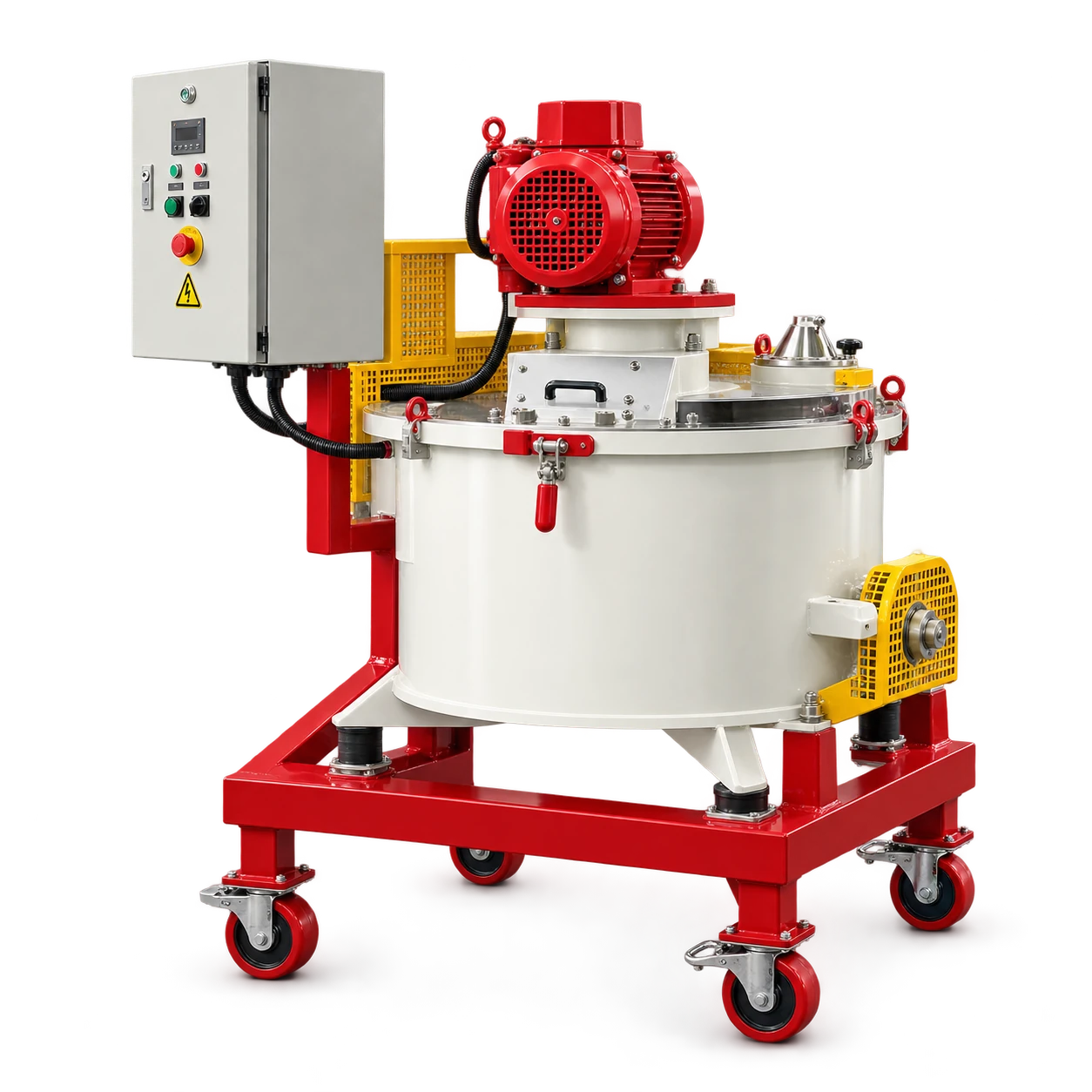
An MPT-versus-MTO quotation should compare the test program, not declare one mixer architecture universally better. The MPT uses a planetary arrangement and the MTO uses two horizontal shafts. Either can provide compulsory mixing, but the usable batch envelope, ingredient sequence, discharge, cleaning and sampling need evidence with the laboratory’s actual recipes.
The MPT planetary laboratory mixer covers 50–250 L compacted-capacity models. The MTO twin-shaft laboratory mixer covers 50–150 L compacted-capacity models. These catalog ranges support shortlisting; they do not establish the smallest usable batch, mixing time, repeatability or production scale-up.
Start with the test method and specimen demand
ASTM’s public page for C192/C192M-26a describes controlled preparation, mixing and curing of laboratory concrete specimens. Obtain and follow the complete applicable standard and laboratory quality procedure. Its presence in an RFQ does not approve a particular VOGO model.
Calculate the fresh concrete needed for specimens, strength reserve, testing, sampling loss and mixer hold-up. Keep this as a batch-demand range rather than one nominal number. A laboratory that tests conventional concrete, stiff mixes, fibres or pigments may need different sequences and cleaning controls.
The earlier minimum-batch validation guide explains why rated or compacted capacity does not prove the lower limit. Use a witnessed trial rather than an unsupported percentage of catalog capacity.
Compare architecture without promising performance
ISO 18650-1 defines a planetary mixer by vertically mounted agitators with planetary motion in a stationary pan, and a paddle mixer by one or two horizontal agitators in a trough. These are architecture definitions, not a ranking of homogeneity, speed or wear.
The NPCA’s mixing-equipment overview describes different pan and twin-shaft mixing actions and notes that the appropriate system depends on the concrete and production task. Treat it as industry context, then prove the laboratory result.
| Comparison item | MPT planetary shortlist | MTO twin-shaft shortlist |
|---|---|---|
| Catalog architecture | Planetary pan | Horizontal twin shaft |
| Catalog compacted range | 50–250 L | 50–150 L |
| RFQ evidence | Coverage and discharge for the test batch | Coverage and discharge for the test batch |
| Cleaning review | Pan, tools, scraper/clearance and access | Trough, paddles/shafts, ends and access |
| Space review | Loading height, lid and discharge clearance | Loading, drive/end access and discharge clearance |
| Decision gate | Representative trial and sample results | Representative trial and sample results |
Do not transfer a mixing time, wear life or homogeneity result from a different manufacturer or size. If a bidder offers equivalence, require the test conditions and acceptance criteria.
Normalize the quotation scope
Ask both bidders to mark included, excluded and buyer-supplied items: mixer, motor and gearbox, control panel, emergency stop, guarding, loading cover, discharge arrangement, mobile frame, wiring, commissioning, spares and documentation. Confirm voltage, frequency, plug/termination, floor loading, door width and cleaning-water constraints.
For teaching use, add visibility, safe access and instructor control. For research use, define data capture, recipe changes and contamination limits. Neither use case permits bypassing guards or energy isolation.
Separate delivered price from lifecycle assumptions. Request replaceable wear items, lead times and unit prices, but do not invent universal blade life. Abrasion depends on aggregate, recipe, batch frequency, clearance, cleaning and maintenance.
Use a common acceptance trial
Create a trial sheet before ordering:
| Trial step | Record | Acceptance question |
|---|---|---|
| Weigh and load | Actual masses, order and timing | Was the approved sequence practical and controlled? |
| Mix | Speed/stage settings and elapsed time | Was the run completed without unapproved intervention? |
| Sample | Locations, timing and specimen IDs | Did sampling represent the agreed batch? |
| Discharge | Residue, segregation and handling | Was usable recovery acceptable? |
| Clean/changeover | Time, tools and retained material | Can the next recipe run without unacceptable carryover? |
| Repeat | Same recipe and environmental conditions | Are agreed result and process limits repeatable? |
The acceptance metrics must come from the laboratory’s method and project requirements. This article supplies the comparison structure, not universal tolerances.
Record scale-up as a separate decision
A laboratory mixer can support formulation development, but geometry, energy input, fill level, sequence, temperature and discharge differ from production equipment. Do not promise direct scale-up from either MPT or MTO. Record what will be kept similar and what must be revalidated in the production mixer.
If the purpose is teaching rather than production correlation, say so. It can change the preferred batch range, guarding, mobility and visibility.
Conclusion
Compare MPT and MTO quotations with the same recipes, batch envelope, utilities, scope and trial. Use catalog architecture and capacity for shortlisting only. Award the order from representative evidence, safe operation, cleaning and complete installed cost—not an unsupported claim that planetary or twin-shaft mixing is always superior.