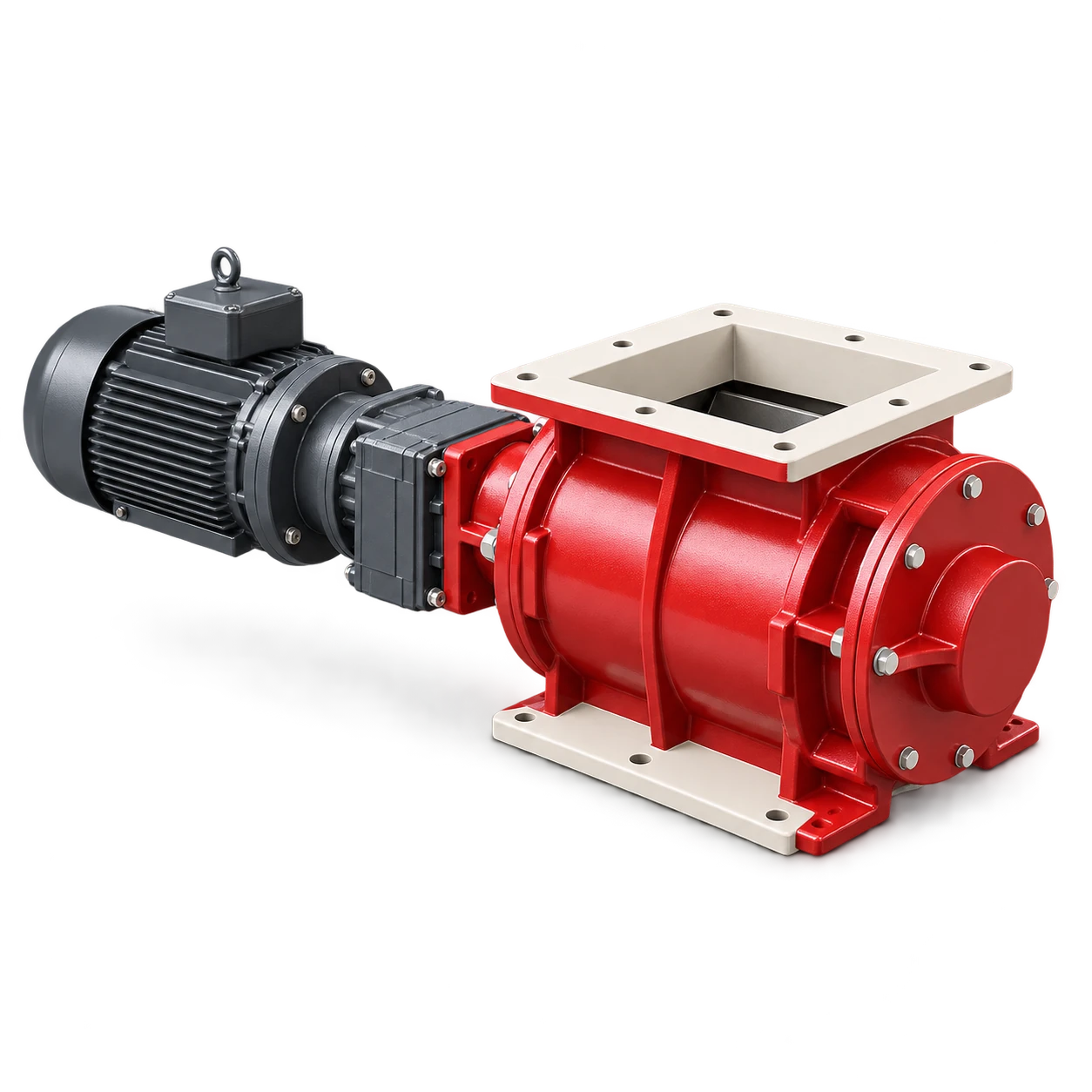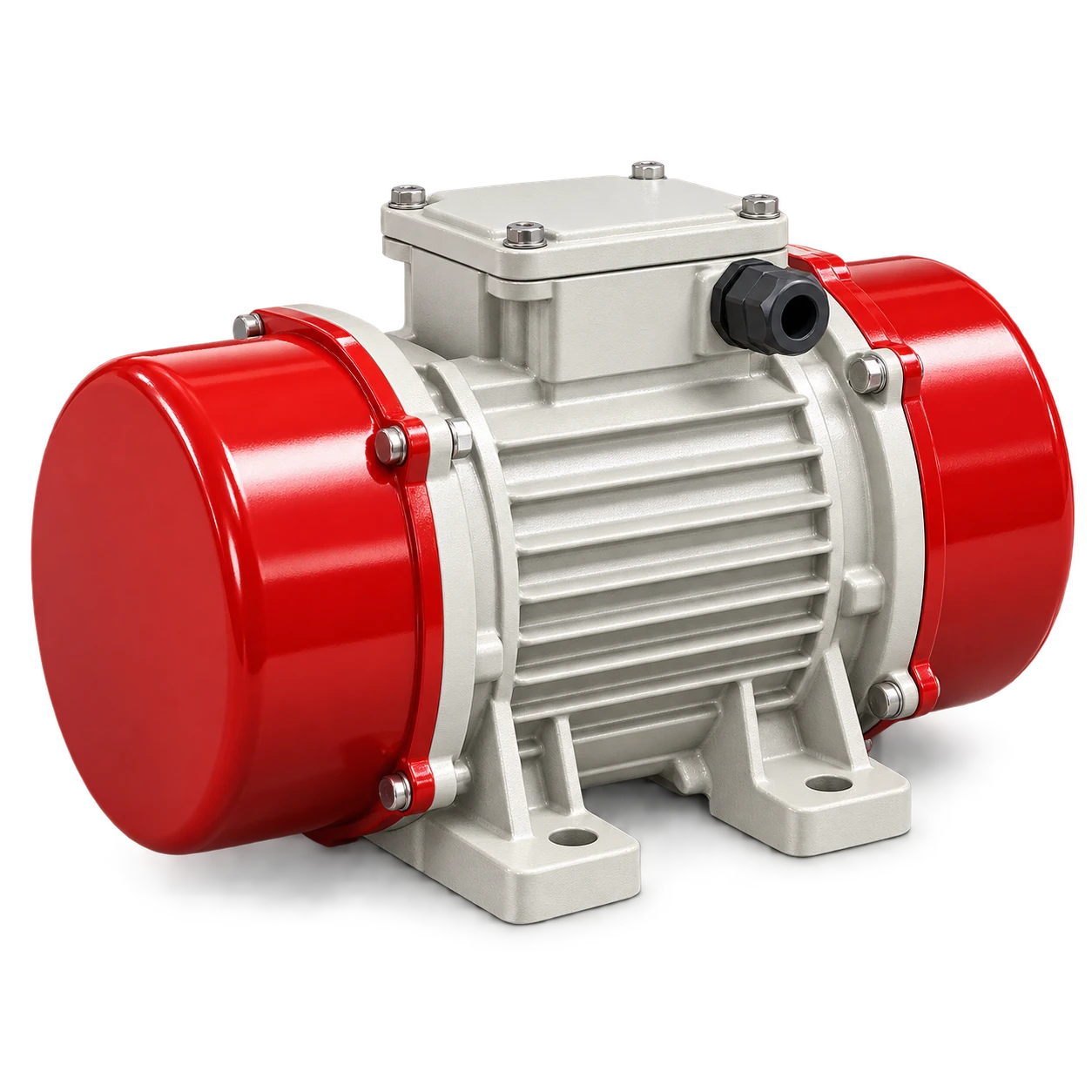
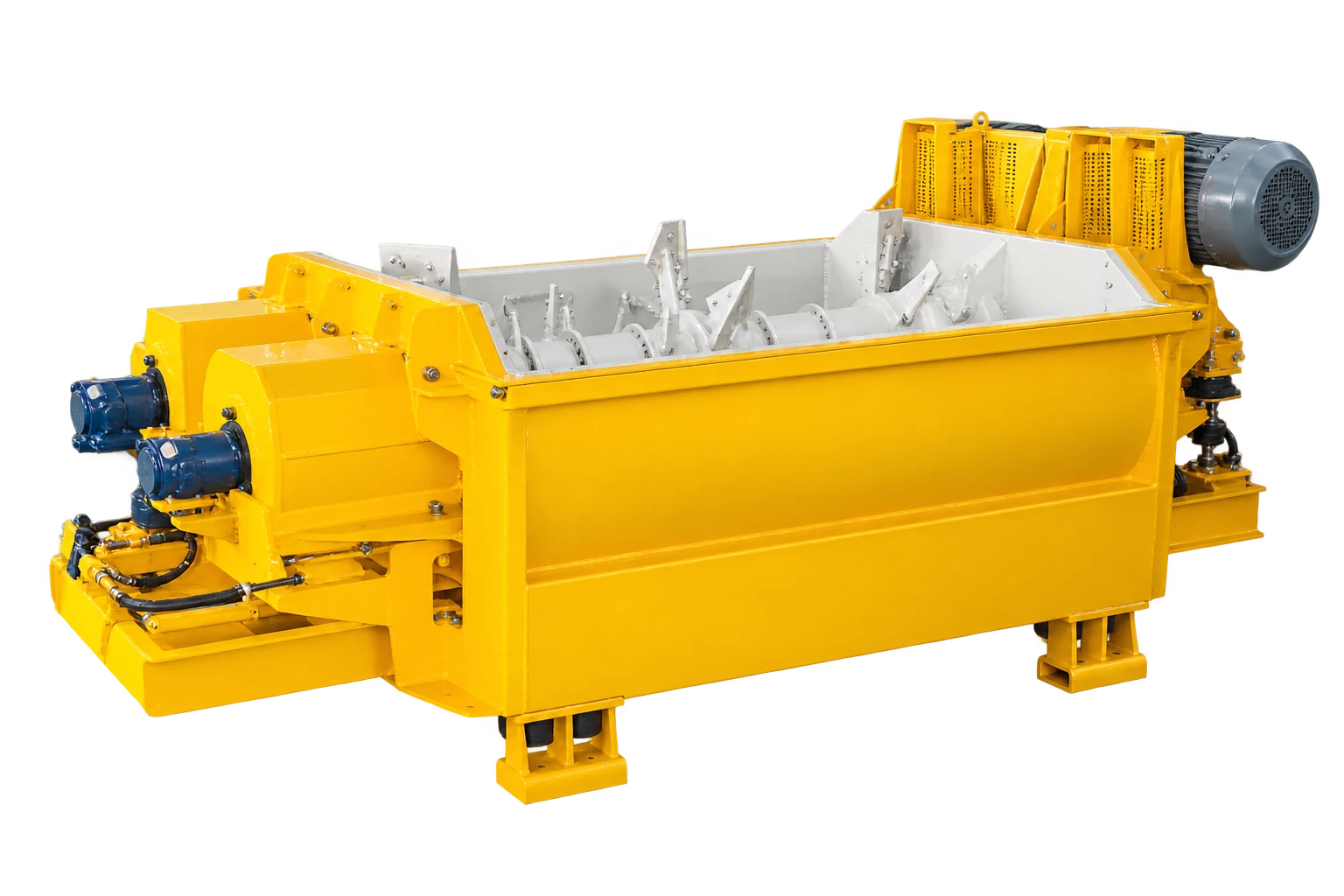
A vibratory vs conventional asphalt mixer comparison should start with a specific production problem and a controlled trial. Choose vibration assistance only if it delivers an accepted mixture or operating benefit under the intended recipe, load and plant conditions. Neither a vibration label nor a larger nominal batch establishes better pavement performance.
The AM-Z vibration-assisted asphalt mixer is listed as AM-Z6000 in a 6 t class. Its published selection basis is batch mass, material temperature and plant interfaces. That catalog description does not supply a universal vibration frequency, temperature reduction or production guarantee. Confirm the operating envelope in the proposed order documents.
What changes in a vibratory vs conventional asphalt mixer?
A conventional asphalt mixer uses its mixing tools and material circulation to distribute the components. Vibration-assisted equipment adds an excitation system. Its useful effect depends on where that motion enters the mixture and how it interacts with the recipe. Mixing vibration is not the same operation as a vibrating roller compacting pavement.
Rong and colleagues’ 2023 study investigated SBS-modified binder and mixture under specified vibration conditions. It reported changes in viscosity and mixture test performance, with limits to the benefit of increasing frequency. This supports investigating the process, not transferring its settings or percentage improvements to another mixer. The research is not an AM-Z product test.
Ask a bidder to distinguish measured evidence on its proposed configuration from a general literature citation. A laboratory binder result, a mixture specimen result and a production-plant acceptance result answer different questions. Keep their reports separate.
Identify the decision that the trial must resolve
Write one primary objective before comparing offers. Examples are meeting an approved quality requirement with a difficult recipe, obtaining more repeatable production, or testing a proposed lower-temperature process. Record the existing problem using normal production data so that an easy demonstration does not become the baseline.
Use this selection screen as an engineering recommendation:
| Project situation | Next decision |
|---|---|
| Existing conventional plant meets quality and output | Require evidence of an additional benefit before changing technology |
| Coating varies with moisture or dosing errors | Correct the upstream fault before comparing mixing mechanisms |
| A new binder or additive challenges the current process | Compare both systems using the same approved formulation |
| Lower temperature is proposed | Agree mixture tests and project approval before changing the process window |
| Plant output is inadequate | Identify the actual dryer, weighing, mixing, storage or dispatch constraint |
The 2025 Asphalt Paving Handbook overview places plant production within the wider chain of materials, mix design, construction and quality assurance. A mixer upgrade cannot independently establish compliance or finished-pavement life.
Compare like with like, then separate the variables
For an initial comparison, hold material sources, grading, binder content, additive procedure, batch mass and temperature window constant. Record actual charging, mixing and discharge events rather than comparing timer labels. Use equivalent sampling and the project’s approved specimen preparation and test methods.
After establishing a repeatable baseline, investigate one proposed process change at a time. If temperature, binder dose and mixing duration all change together, a different test result cannot be attributed to vibration alone. Keep all trial batches identified and prevent unapproved material entering saleable production.
Build an acceptance matrix before ordering
The following is a proposed purchaser checklist, not a claim that either mixer has passed these tests:
| Acceptance area | Evidence to request |
|---|---|
| Mixture | Approved recipe, component records and representative discharge samples |
| Quality | Specified coating, composition and mixture-property results |
| Production | Accepted batch mass and full-cycle timestamps under stated conditions |
| Energy | Measured electrical input; include heating fuel if the claim concerns total plant energy |
| Variability | Repeated batches rather than a selected best result |
| Integration | Loads, electrical supply, access, discharge and control-interface drawings |
| Operation | Agreed alarms, shutdown conditions, operator instructions and training |
Reject a comparison that reports only the excitation motor’s electricity while claiming a total energy saving. State the measurement boundary and denominator, such as accepted tonnes, and retain idle, rejection and changeover records. A lower meter reading is not useful if the mixture fails acceptance.
Check the plant interface and service burden
Obtain the supplier’s static and dynamic load information for the support design. Do not reuse a conventional mixer’s support arrangement on the assumption that the new machine has a similar footprint. The responsible designer should review the excitation system, connections, isolation arrangements and surrounding equipment.
Compare working access, liner and tool replacement, lubrication, vibration-system inspection, spare parts and maintenance responsibilities. HSE maintenance guidance emphasizes planning from manufacturer instructions, safe access, isolation and stored-energy control. Apply those principles to the complete installation; they are not evidence that a particular mixer is certified.
Define who isolates upstream feeds, drives, gates and any hydraulic or pneumatic energy before access. Hot retained material and elevated components need their own controls. An emergency-stop command is not the maintenance isolation procedure.
Make the commercial decision from the trial record
Compare the additional installed scope against an evidenced benefit, not a generic promise of improved strength or reduced binder use. Include integration work, training, inspection, consumables and the cost of testing. Where evidence is incomplete, make a conditional shortlist or request a witnessed trial rather than assigning a made-up saving.
Keep mixing-time settings in the related asphalt mixing-time and temperature guide. Here the decision is whether the extra mixing technology is justified, not what timer value to enter.
Conclusion
Select between a vibratory and conventional asphalt mixer using matched, repeatable trials and an agreed plant boundary. Keep research findings separate from product guarantees, verify service and structural interfaces, and purchase against measurable acceptance conditions. A conventional solution that meets the duty remains a valid outcome.