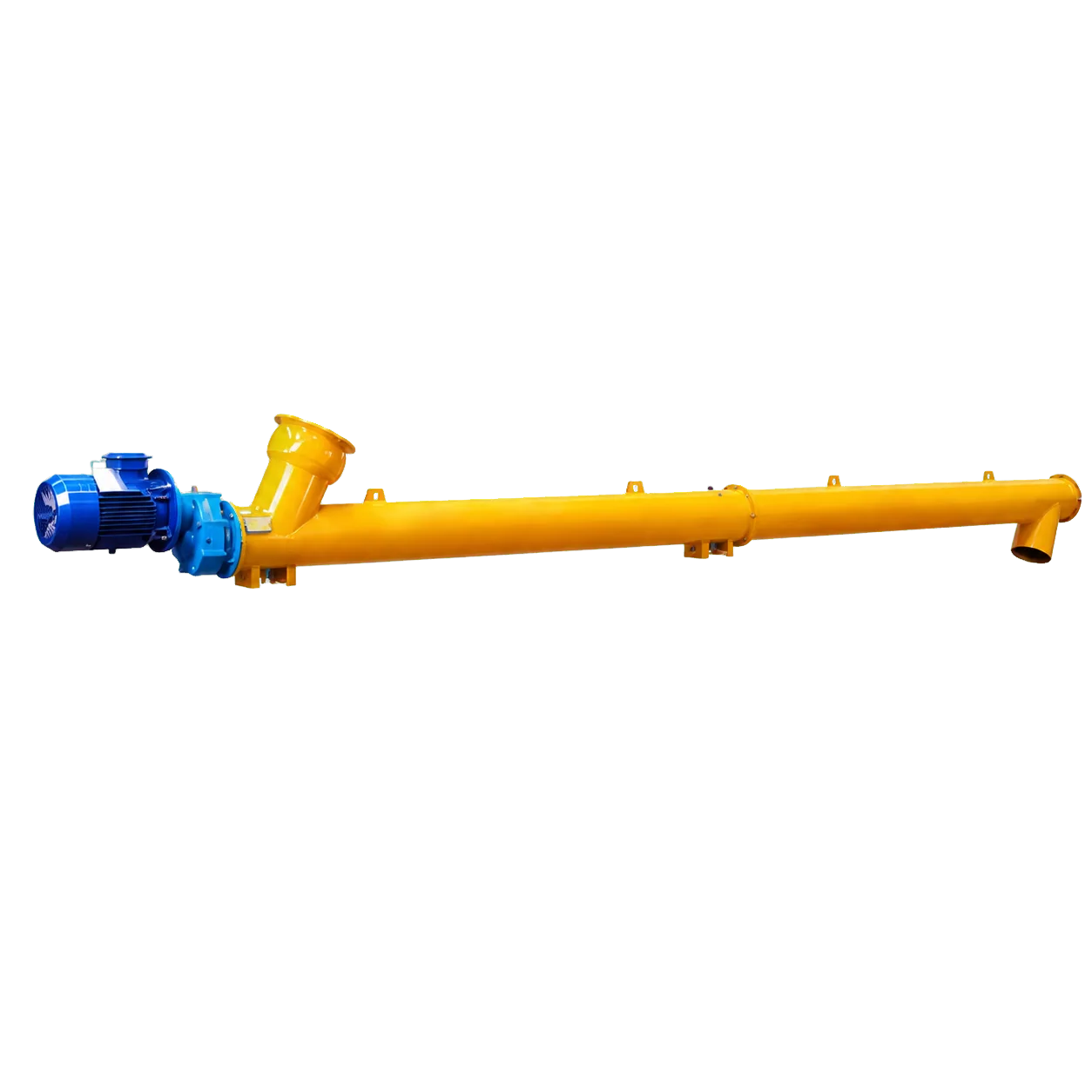
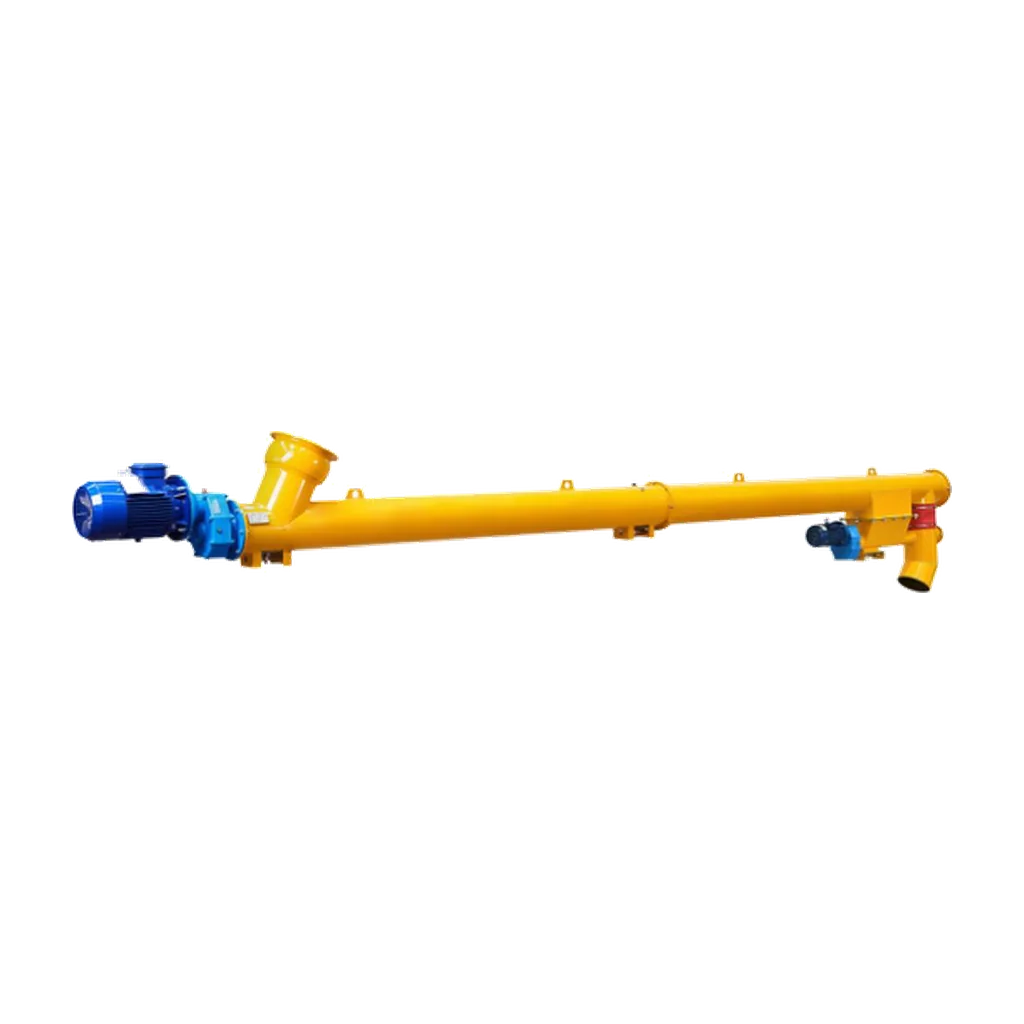
Introduction
Screw conveyors in cement and dry bulk material handling use an enclosed design to keep the conveying path compact and limit external dust exposure. Operators often treat the trough cover as a secondary component, viewing it simply as a lid to contain dust and exclude foreign objects. This perspective ignores how the cover design affects overall plant efficiency. For mechanical engineers and maintenance managers, the trough cover design directly influences unplanned downtime and lifecycle maintenance costs. In continuous concrete batching, a minor moisture ingress through a degraded cover seal can cause hygroscopic materials like cement to hydrate and solidify inside the trough. This transforms a simple sealing issue into a catastrophic blockage, requiring thermal lancing or mechanical breaking to clear. Furthermore, in high-volume continuous pour scenarios, a single unplanned stoppage can result in the rejection of an entire concrete batch, costing thousands in wasted materials and delayed project schedules.
Concrete batching plants and dry-mix mortar production lines require continuous material transfer. Internal components like hanger bearings, screw flights, and trough liners experience wear and need periodic inspection. Blockages also occur and require rapid clearance. If the cover is difficult to remove, routine inspections are delayed, and minor issues can escalate into major failures. Plant operators can choose between bolted flanged, hinged, and quick-release clamping covers to match their mechanical design with their maintenance strategy. This approach maintains dust-tight sealing without sacrificing operational accessibility.
Bolted flanged covers
The bolted flanged cover is the standard design for screw conveyor troughs. Bolts and nuts secure the cover plate to the trough flange. A continuous gasket or sealant between the flange and the cover creates a dust-tight seal. To ensure long-term chemical resistance against the alkaline nature of cementitious materials, engineers must specify appropriate gasket elastomers. Ethylene propylene diene monomer (EPDM) or polytetrafluoroethylene (PTFE) encapsulated gaskets are frequently required to prevent degradation from high-pH dry bulk materials, whereas standard nitrile rubbers may rapidly harden and crack.
The main advantage of this design is its seal integrity. Multiple bolts distribute the clamping force evenly to contain fine powders like cement or fly ash and resist slight internal pressure differentials. The rigid design also adds structural stability to the conveyor. When specifying bolt spacing, a general rule is to maintain a maximum gap of 150 millimetres between fasteners to prevent flange deflection under the weight of accumulated external dust or maintenance personnel.
The trade-off is reduced maintenance accessibility. Removing the cover requires unfastening many bolts, which takes considerable time and labour. This design works well in applications where internal inspections are rare, such as long horizontal runs or enclosed transfer points. If hanger bearings need regular temperature checks or material build-up is a concern, unbolting and rebolting the cover increases maintenance downtime. Specify bolted flanged covers only for conveyor sections that do not require frequent internal access, particularly in outdoor installations where thermal expansion and contraction can cause standard bolted joints to loosen over seasonal temperature shifts.
Hinged covers
Hinged trough covers solve the accessibility limitations of bolted flanges. Continuous or multiple heavy-duty hinges attach the cover to the trough flange so the entire section swings open. Latches, toggle clamps, or quick-turn fasteners along the free edge secure the cover instead of dozens of bolts. To prevent the hinges from seizing in highly abrasive environments, the hinge pins should be manufactured from hardened stainless steel and paired with self-lubricating bronze or PTFE-lined bushings. This material selection prevents microscopic cement dust from welding the pivot points together.
This design speeds up maintenance. Personnel can unfasten and open the cover to inspect the screw flight, check hanger bearings, or clear minor blockages without lifting a heavy steel cover. Routine inspections take less labour time. In practical applications, a highly effective configuration is to use bolted flanged covers for 80 per cent of the conveyor length, interspersed with hinged covers positioned directly above every intermediate hanger bearing. This targeted approach provides necessary access to the highest wear components without compromising the overall structural rigidity of the trough.
Hinged covers present sealing challenges. Dust and debris accumulate in the hinge mechanism over time, which restricts operation and affects cover alignment. Latches require regular adjustment to maintain gasket compression. Without proper maintenance, the seal degrades and causes dust emissions at the hinge line or latch points. These covers work best for specific access zones, such as inspection ports over hanger bearings, rather than the entire conveyor length.
Quick-release clamping covers: optimising downtime
Quick-release clamping covers reduce maintenance downtime in batch production facilities. These designs use cam-action levers, over-centre clamps, or specialised quick-release fasteners to secure the cover to the trough flange. The cam-action mechanism provides a mechanical advantage, allowing operators to generate sufficient clamping force to compress the gasket using only hand pressure, eliminating the need for impact wrenches or spanners.
Quick-release covers allow fast removal and reinstallation. Unlike hinged covers that stay attached to the trough, quick-release designs detach completely. This provides unobstructed, full-width access to the trough interior. This access is necessary for major maintenance tasks, such as the replacement of a worn screw flight or damaged hanger bearing, and the clearance of material blockages. Furthermore, because the cover is entirely removed, it eliminates the risk of the cover swinging shut unexpectedly due to wind or plant vibrations while personnel are working inside the trough.
Quick-release covers must maintain uniform sealing pressure across the flange. The clamping mechanism must pull the cover down evenly to compress the gasket. The initial capital cost for quick-release hardware is higher than standard bolts, but the return on investment comes from reduced maintenance hours and fewer process interruptions. In continuous cement handling or dry-mix mortar applications, conveyors operate over long shifts. Operators can open and close the trough in seconds instead of minutes, which cuts maintenance hours and process interruptions. This design is particularly advantageous for mobile concrete batching plants, where constant vibration during transit routinely loosens standard threaded fasteners, making quick-release clamps a far more reliable sealing solution.
Safety interlocks and maintenance protocols
Whether operators choose a hinged or quick-release cover, frequent access increases the risk of accidental equipment startup during maintenance. Standard lockout/tagout (LOTO) procedures must be supplemented with engineered safety controls.
Trough covers that open frequently require safety interlocks, such as limit switches or position sensors. The control system integrates these devices to automatically cut power to the drive motor when the cover opens. This prevents maintenance personnel from exposure to moving screw flights or rotating shafts during trough inspection. For critical applications, these interlocks should be rated to at least Safety Integrity Level 2 (SIL 2) to ensure the control system reliably executes the safety function even if a single component fails.
Interlock specifications must account for the cement and dry bulk handling environment. Sensors and actuators require a minimum Ingress Protection rating of IP66 to prevent fine particulate dust ingress, which can cause false readings or mechanical failure of the electrical contacts. Furthermore, the wiring for these interlocks must be routed through flexible, dust-tight conduits to prevent cable fatigue from the constant vibration of the conveyor. Interlocks act as a secondary protective measure and do not replace physical isolation and LOTO procedures before personnel enter the conveyor trough.
Condensation management and thermal insulation
In outdoor dry bulk handling facilities, temperature fluctuations between day and night can cause internal condensation within the screw conveyor trough. When warm, moisture-laden air inside the enclosed trough contacts the cooler metal surface of the trough cover, water droplets form and fall into the dry cement or mortar mix. This seemingly minor issue can lead to severe material degradation, causing the powder to set and block the conveyor.
To mitigate this risk, engineers must consider the thermal properties of the trough cover. Standard carbon steel covers have high thermal conductivity, exacerbating the temperature differential. Specifying covers with integrated thermal insulation, or applying closed-cell foam insulation beneath the cover plate, significantly raises the internal surface temperature above the dew point. Alternatively, utilising double-skinned covers with an air gap provides an effective thermal break.
Additionally, incorporating desiccant breathers at the conveyor inlet and discharge points allows the trough to equalise internal pressure during temperature drops without drawing in ambient humid air. By addressing the thermodynamic behaviour of the enclosed trough, operators can prevent moisture-related blockages and maintain the flowability of hygroscopic dry bulk materials.
Conclusion
Screw conveyor trough covers contain dust and support the plant’s maintenance strategy. Bolted flanged covers seal static sections, while hinged and quick-release clamping covers allow fast access to inspect hanger bearings, check wear, and clear blockages. Selecting the correct cover design, specifying chemically resistant gaskets, managing thermal condensation, and adding safety interlocks reduces unplanned downtime and lowers maintenance costs over the equipment’s life. The cover is not merely a lid; it is a critical interface that dictates the reliability of the entire conveying system.
When specifying equipment for concrete batching, dry-mix mortar, or other dry bulk applications, match the mechanical configuration to your maintenance requirements. VOGO Machine configures its enclosed powder conveying systems for specific projects, so you can select the trough cover, service options, and drive arrangements for your process. To check selection parameters or review technical specifications, visit the VOGO Machine cement screw conveyor product page or download the datasheet.