Introduction
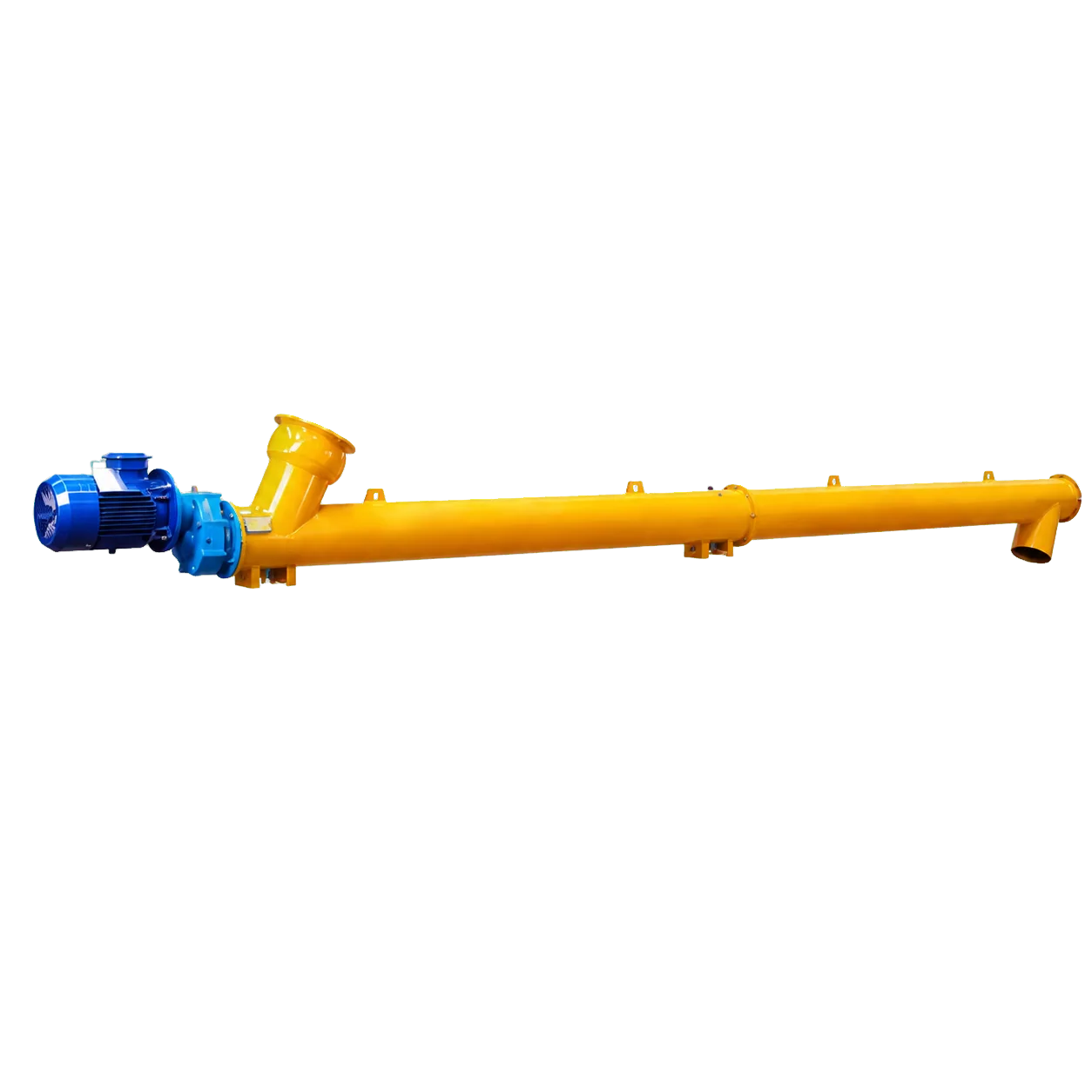
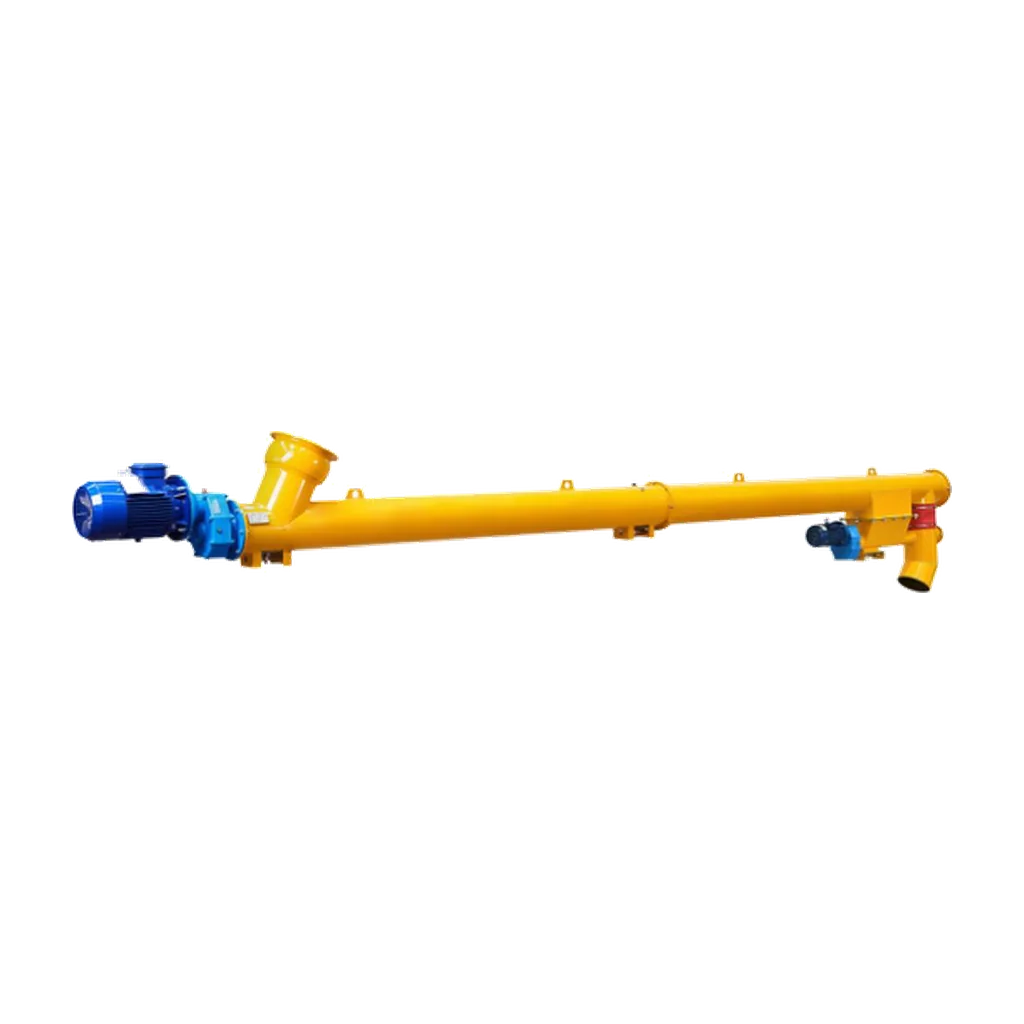
Microsilica, also known as silica fume, is a critical admixture used in high-performance concrete (HPC) to significantly increase compressive strength and long-term durability, particularly in aggressive marine and chemical environments. Handling this ultra-fine by-product presents substantial challenges for bulk material engineers. Unlike ordinary Portland cement or fly ash, the unique physical properties of silica fume render standard screw conveyor designs highly ineffective. Its exceptionally low bulk density, high fluidity, and abrasive nature routinely cause fluidisation, rat-holing, and severe equipment wear. When batching plants utilise conventional cement conveyors for microsilica without essential modifications, they frequently experience excessive dust emissions, highly inconsistent feeding rates, and catastrophic blockages. These operational failures lead to costly downtime and environmental compliance breaches. This article analyses the specific handling characteristics of silica fume and provides a comprehensive engineering guide on optimising screw conveyor design. By meticulously adjusting pitch, rotational speed, trough loading, and sealing solutions, engineers can manage microsilica effectively and maintain reliable, continuous concrete batching operations.
Understanding the physical challenges of microsilica
Designing a silica fume screw conveyor requires a deep understanding of the material’s physical properties. Silica fume is an ultrafine powder generated during the production of silicon metal or ferrosilicon alloys in submerged arc furnaces. Particle size is typically 0.1 to 1 micron, giving it a specific surface area of 15 to 25 square metres per gram. This extreme fineness creates several handling difficulties, most notably an exceptionally high angle of repose when compacted.
The bulk density of microsilica is low, typically between 150 and 300 kg/m³. For a given mass flow rate, the volumetric flow is significantly higher than that of standard cement. Interparticle forces, such as van der Waals forces and triboelectric static electricity, heavily affect the fine particles. The powder becomes highly cohesive, which causes severe bridging and ratholing in storage hoppers. When aerated by screw rotation, the material fluidises and floods through the conveyor like a low-viscosity liquid. Silica fume is also highly abrasive due to its high silica content and Mohs hardness. It penetrates microscopic gaps, and this abrasiveness accelerates wear on conveyor components, particularly bearings and seals. Conveyor design must therefore account for these two contradictory behaviours: extreme cohesion at rest and rapid fluidity when agitated.
Optimising screw geometry and trough loading
Standard screw conveyors designed for cement often fail with microsilica because they do not account for the material’s low bulk density and extreme tendency to fluidise. To prevent the powder from flooding or fluidising inside the trough, engineers must adjust the screw geometry and operational parameters.
Screw pitch requires precise adjustment. For highly fluid materials like silica fume, a variable or reduced pitch design is necessary. Decreasing the pitch at the inlet, or utilising a half-pitch design along the initial section of the conveyor, progressively compresses the material. This mechanical de-aeration expels entrapped air and stops the powder from fluidising as it moves through the trough.
Rotational speed must also be strictly controlled. Operating the screw at high speeds generates excessive centrifugal force and aeration, which increases fluidisation and causes the material to spin with the flight instead of moving axially. Silica fume conveyors should operate at significantly lower RPMs than standard cement conveyors, typically below 30 to 40 RPM depending on the diameter. A variable frequency drive (VFD) manages this reduced speed, allowing operators to fine-tune the flow and maintain steady material movement without over-aerating the batch.
Trough loading must be recalculated accordingly. The low bulk density requires a higher volumetric fill level to achieve the necessary mass throughput. However, overfilling the trough causes excessive torque and material degradation. Engineers must balance the screw diameter and trough loading to maintain the target fill level. This level is usually kept between 30 and 45 per cent capacity, providing adequate space for de-aeration and preventing material packing.
Sealing solutions and wear prevention
Silica fume particles are exceptionally fine and readily pass through microscopic gaps in a conveyor system. This results in pervasive dust leakage and environmental non-compliance. The material is also highly abrasive and requires robust wear protection.
The conveyor trough should be seamlessly welded with continuous internal fillets to prevent dust escape and eliminate pockets where material can accumulate. Inlet and outlet connections need specialised soft seal flanges, such as those utilising WAM-type valve pads, and fully enclosed dust covers to contain the particles. Standard shaft seals degrade quickly when exposed to abrasive microsilica; therefore, purgable shaft seals or labyrinth seals equipped with a continuous positive air purge are essential to prevent powder from entering the bearing housings.
Silica fume rapidly degrades standard carbon steel flights and troughs. Utilising hardened materials, such as Hardox steel, or applying specialised wear-resistant liners like UHMWPE or basalt tiles inside the trough significantly extends the equipment lifespan. Hanger bearings are particularly vulnerable in silica fume service. If microsilica penetrates the bearing, it acts as an aggressive grinding paste and causes rapid mechanical failure. Designers should maximise the distance between hanger bearings, utilise self-cleaning bearing designs, or employ shaft configurations that eliminate intermediate bearings entirely for shorter runs. Furthermore, implementing dustproof seal structures, such as PTFE lip seals, on all remaining bearings prevents particle ingress and subsequent jamming.
Hopper design and feeding control
Silica fume handling begins at the storage hopper. The cohesive nature of microsilica causes persistent rat-holing and bridging at the hopper outlet, creating erratic feed rates and inconsistent batching.
Hoppers handling cohesive powders require specific mass-flow designs, featuring steep wall angles (typically greater than 65 degrees from the horizontal) and low-friction internal surfaces to maintain a continuous feed. An agitator or live bottom installed directly beneath the outlet breaks up compacted material and forces the powder into the screw conveyor, effectively stopping bridging. Internal hopper surfaces should be exceptionally smooth, utilising stainless steel or specialised fluoropolymer coatings, to minimise friction and material adhesion.
Air vibrators or fluidisation pads positioned strategically near the hopper outlet reduce sticking and promote mass flow. Operators must use these pneumatic aids carefully and intermittently to avoid over-aerating the material, which would otherwise cause severe fluidisation inside the downstream conveyor.
The drive system should include a VFD for soft starting and precise flow modulation. Starting the feeder at a low speed and gradually increasing the flow prevents a sudden inrush of aerated material that overwhelms the screw and causes blockages. Regular cleaning and calibration of the screw and hopper interiors maintain consistent performance over the equipment’s lifecycle.
Advanced monitoring and maintenance strategies
To ensure long-term reliability, modern microsilica handling systems benefit from advanced monitoring and proactive maintenance strategies. Integrating torque limiters on the drive motor provides immediate protection against sudden blockages or mechanical jams caused by compacted silica fume. When the conveyor encounters unexpected resistance, the torque limiter slips, preventing catastrophic damage to the gearbox and motor.
Additionally, installing vibration sensors on the main bearing housings allows maintenance teams to detect early signs of abrasive wear or misalignment. By monitoring these vibration signatures in real-time, plant operators can schedule predictive maintenance during planned downtimes rather than reacting to sudden, costly failures. Routine maintenance protocols must also include the regular inspection of the air purge systems on the shaft seals. If the purge pressure drops below the required threshold, microsilica will rapidly infiltrate the bearings. Establishing a strict schedule for replacing worn flight edges and checking trough welds for micro-cracks ensures the system maintains its dust-tight integrity and operational efficiency.
Conclusion
Handling silica fume in high-performance concrete batching plants requires fundamental modifications to standard cement conveying practices. The material possesses an ultra-fine particle size and low bulk density, and its highly cohesive and fluidising behaviour demands specific, calculated engineering adjustments. Engineers successfully address these handling issues by optimising screw geometry, reducing rotational speeds, implementing advanced sealing and wear protection, and designing cohesive-resistant mass-flow hoppers. A correctly designed silica fume screw conveyor operates dust-free, significantly reduces mechanical wear, and provides the precise feeding accuracy required for modern, demanding concrete mixtures. For microsilica handling projects, VOGO Machine provides cement screw conveyors configured for specific layouts and duty requirements. Actual capacity and power depend on the conveyed material, filling degree, inclination, and operating conditions, and engineers must confirm them for each project. Selection parameters and the detailed datasheet are available on the VOGO Machine product page.