
Introduction
Dry-process cement production lines and dry-mix mortar facilities rely on the short-distance transport of fine dry powder. Transferring cement from a silo to a weighing hopper or handling mineral fillers in asphalt plants requires a dust-tight environment. Fugitive dust emissions cause health risks, explosive hazards, material loss, and environmental non-compliance. As global industrial dust emission standards become stricter, plant operators are prioritising enclosed powder conveying systems.
Screw conveyors handle much of this bulk material. They have a compact footprint and convey material continuously, but they are prone to dust leakage at shaft ends, flanges, and access doors. Plant engineers and maintenance managers need effective sealing solutions to prevent these leaks. This article analyses common failure modes of shaft and flange seals, compares available sealing technologies, and outlines maintenance practices for long-term dust containment and operational efficiency in cement handling applications.
Root causes of dust leakage in screw conveyors
Dust leakage in screw conveyors usually results from mechanical wear, operational stress, and design limits. Shaft seal deterioration is a primary cause. Traditional packing degrades quickly when the conveyor moves abrasive materials such as cement, fly ash, or coal dust. Excessive shaft movement, radial run-out, and angular misalignment increase this wear. This creates a direct path for fine particulates to escape into the atmosphere or enter support bearings.
Poorly fitted components also cause leaks. If the conveyor housing, covers, or flange joints are misaligned or unsealed during installation, microscopic gaps let dust bypass the primary containment zone. High operating speeds create internal turbulence and pressure differentials in the trough, which push dust out through these gaps. Inadequate ventilation or a lack of air purging at the seal faces lets dust accumulate and build pressure until it overcomes the seal. Moisture and temperature fluctuations also degrade seal materials and cause elastomers to harden or crack over time.
Comparing shaft sealing technologies
Shaft seal selection depends on the application, material abrasiveness, and maintenance access. Traditional gland packing is common because of its low initial cost, but it requires frequent adjustment and replacement. Worn packing allows shaft movement and dust ingress, which can destroy the underlying support bearings. Operators often use lantern rings with grease or air purges to reduce this wear, but these combinations often fail in highly abrasive cement applications.
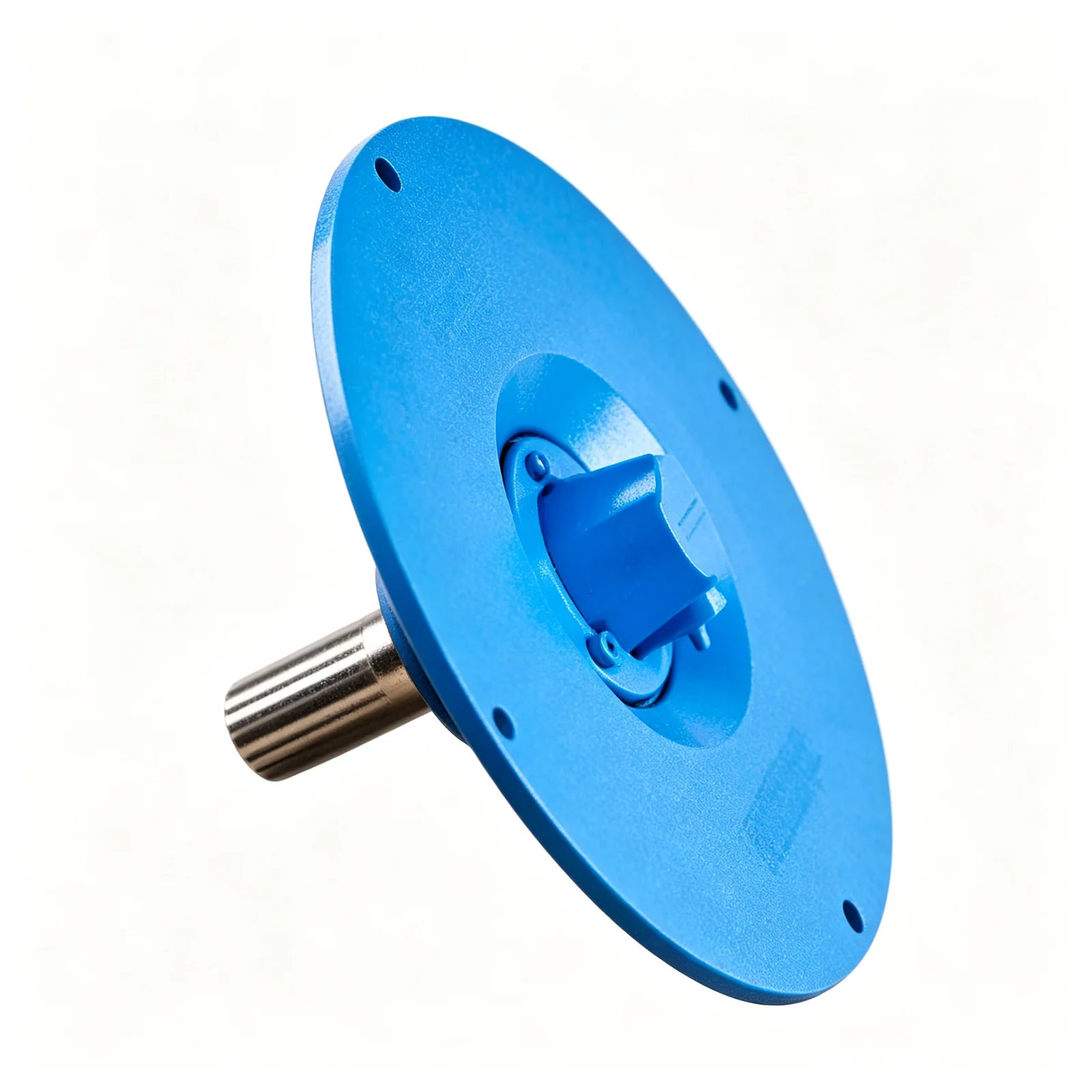
Labyrinth and brush seals use a tortuous path or physical bristle barrier to block contaminants. They still suffer from wear if they make direct contact with the shaft. For demanding cement handling duties, non-contacting, air-purged shaft seals are the standard. These seals utilise small amounts of clean air to create a positive purge along the shaft, which forms a pressure barrier that prevents leakage. Because they do not touch the rotating shaft, they accommodate radial and axial movement without wearing out. Split seal designs also allow for maintenance and replacement without dismantling the shaft end or drive assembly, reducing downtime and long-term maintenance costs. This makes them suitable for retrofits where shaft removal is impractical.
The role of enclosed tubular design
Shaft seals are important, but the overall conveyor housing design determines the baseline for dust containment. U-trough conveyors, often fitted with bolted covers, have multiple flange joints and potential leak paths along their length. A rigid tubular screw conveyor is fully enclosed. The rigid tubular body keeps the conveying path compact and limits external dust exposure. It also prevents the sagging and misalignment issues common in open troughs.
Tubular conveyors are standard for enclosed powder conveying in concrete batching, dry-mix mortar, and building materials applications. VOGO Machine’s cement screw conveyor range uses this tubular design, with selection diameters from Ø89 mm to Ø407 mm and lengths up to 15 metres. Configuring the diameter, length, inclination, and drive arrangement to match project requirements maintains the correct material fill level and minimises internal turbulence. This prevents the housing from pressurising. Published capacity ranges (typically 1.3 to 170 t/h) are a selection reference. Actual throughput and power requirements depend on the conveyed material, bulk density, moisture, and operating conditions, and must be confirmed for each project. The project-specific configuration of bearings and connections maintains the mechanical integrity of the tube and supports the primary sealing elements at the drive and tail ends.
Maintenance best practices for seal longevity
Screw conveyor seals fail prematurely without a regular maintenance programme. Operators must inspect shaft end seals routinely. For air-purged seals, check that the purge air pressure remains within the specified range. A pressure drop compromises the positive barrier and lets abrasive cement dust enter the bearing housing. The purge air supply must also be clean and dry, because moisture causes internal corrosion and degrades the seal.
Monitor the temperature of the end and hanger bearings. A sudden temperature rise often indicates dust ingress or lubrication failure before bearing seizure occurs. When replacing seals, inspect the shaft sleeve for scoring or wear. A damaged shaft surface destroys elastomeric or split seal components. If the shaft is worn, install a shaft sleeve or use non-contacting air-purged designs to bypass the wear. During routine shutdowns, tighten all flange gaskets and access door seals to the correct torque specifications. This prevents secondary leakage paths and maintains compliance with environmental dust emission standards.
Conclusion
Preventing dust leaks in cement handling requires attention to both seal design and overall conveyor layout. Plant operators can stop fugitive emissions and protect bearings from abrasive wear by specifying non-contacting or properly purged shaft seals. Pairing these seals with a rigid, enclosed tubular housing keeps the conveying path dust-tight. VOGO Machine supplies cement screw conveyors for enclosed powder handling. Visit the VOGO cement screw conveyor product page to review selection parameters, or download the datasheet to size your next bulk material handling system.