
Introduction
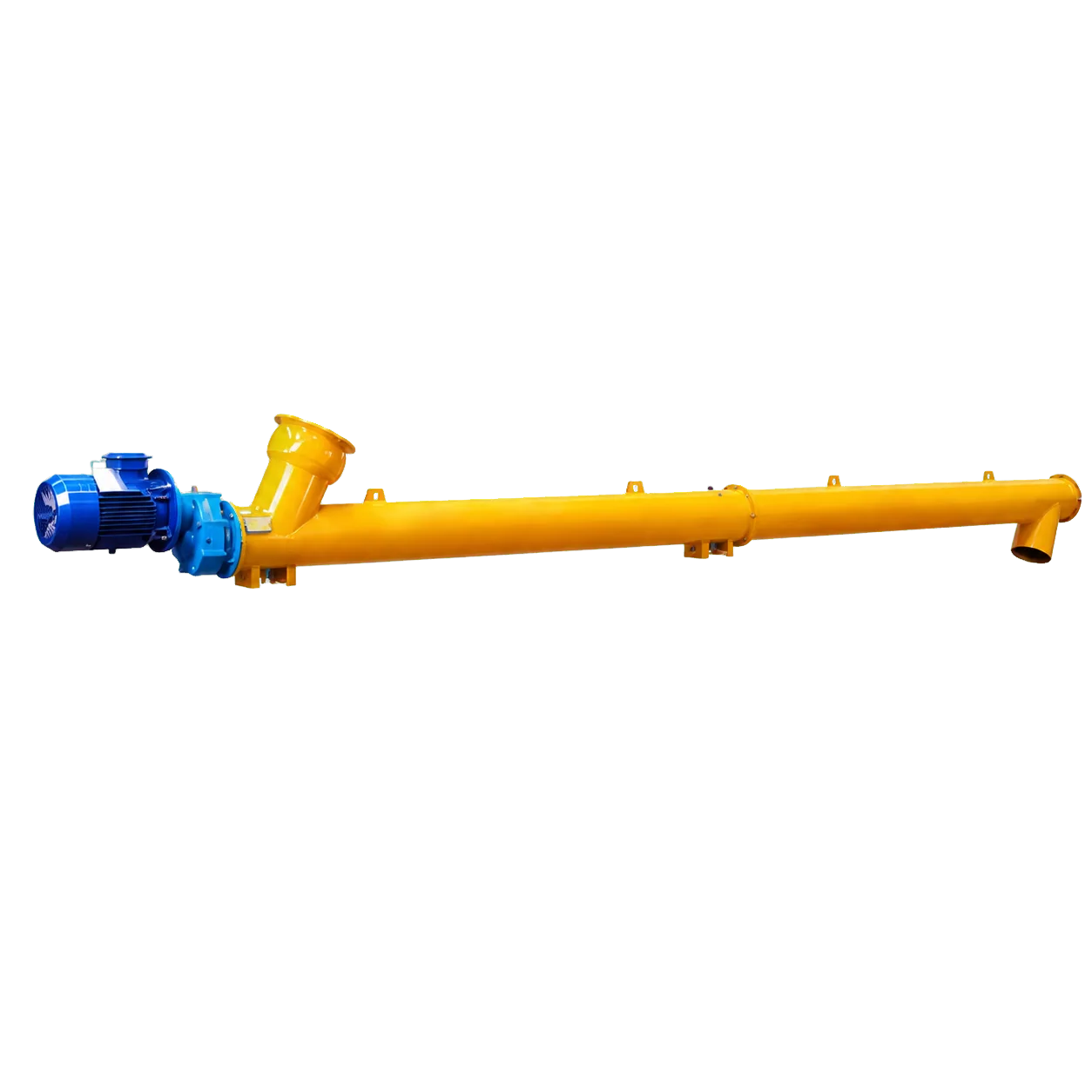
Handling combustible dusts such as coal powder, biomass ash, and chemical additives in cement and bulk material processing plants poses severe deflagration risks. When fine particles accumulate in enclosed spaces and encounter an ignition source, the resulting primary explosion can dislodge layered dust on surrounding structures, triggering a far more destructive secondary explosion. Designing and procuring screw conveyors for these applications requires strict ATEX compliance and adherence to explosion protection principles. In the UK, this is further governed by the Dangerous Substances and Explosive Atmospheres Regulations (DSEAR). This guide covers the engineering fundamentals of mitigating dust explosion risks in screw conveyors, including ignition source control, explosion mitigation strategies, dust characterisation, and how to specify these requirements in procurement documents to ensure long-term operational safety.
ATEX zone classification for screw conveyors
Explosion protection requires accurate classification of hazardous areas. Under ATEX directives, explosive atmospheres are categorised into zones based on the frequency and duration of the hazard. For screw conveyors handling combustible dust, the internal conveying path is typically Zone 21. This zone covers areas where a cloud of combustible dust in air is likely to occur occasionally in normal operation. The external environment around the conveyor, particularly near inlet and outlet points, inspection hatches, and drive assemblies, is generally Zone 22. In Zone 22, an explosive atmosphere is unlikely in normal operation and will only persist for a short period if it does occur. The physical boundary between these zones is determined by the effectiveness of the conveyor’s shaft seals and flange gaskets; a degraded seal can inadvertently expand a Zone 22 area into a Zone 21 classification.
This distinction dictates equipment selection based on ATEX equipment categories. Internal components, such as the main shaft, flights, and internal bearings, must be certified as Category 2 equipment for Zone 21. External components like the drive motor, gearbox, and external bearing housings must meet at least Category 3 requirements for Zone 22. Many plant safety programmes mandate Zone 21 certification for all electrical and mechanical components to simplify maintenance, standardise spare parts inventory, and reduce human error during replacements.
Ignition source control and mechanical design
Explosion prevention starts with eliminating ignition sources. Mechanical friction, hot work, and electrostatic discharge are the main concerns in screw conveyors. Electrostatic charges accumulate on screw flights when they rub against dry, combustible powders. A spark from this discharge can ignite a dust cloud. To prevent this, engineers specify anti-static flight designs. This requires continuous electrical conductivity between the screw shaft, the flights, and the grounded tubular body to dissipate static charges before they reach an ignition threshold. The total electrical resistance of the assembly must typically be maintained below 10^9 ohms, verified through routine megger testing.
Mechanical friction is another critical risk, especially at the hanger and end bearings. A failing bearing generates enough heat to ignite dust layers on the internal surfaces of the conveyor. A single overheated bearing can ignite dust accumulated over weeks of deferred cleaning and spread a deflagration through the conveyor gallery in seconds. Furthermore, the ingestion of foreign object debris (FOD), such as tramp metal from upstream processes, can cause severe mechanical rubbing if the clearance between the flight edge and the trough is too large. Maintaining precise mechanical clearances—typically between 3 mm and 6 mm depending on the trough diameter—and using appropriate labyrinth shaft seal designs prevent material ingress into bearing housings. Continuous bearing temperature monitoring via PT100 sensors acts as a safety interlock that automatically stops the drive. Integrating these temperature sensors with the conveyor control system allows the drive to shut down before the bearing temperature reaches the minimum ignition temperature of the specific dust.
Explosion venting, isolation, and mitigation
Explosion protection standards require mitigation systems in case prevention fails. Screw conveyors typically cannot withstand the full pressure shock of an internal deflagration. Plants must use pressure relief and isolation strategies. Explosion venting is a common mitigation technique. Install purpose-designed rupture panels or venting hatches at intervals along the tubular body. This relieves internal pressure during an explosion and directs the flame and pressure wave to a safe area. However, if the conveyor is located indoors or near walkways, venting to a safe external area may be impossible. In such cases, flameless venting devices or explosion suppression systems are required. Venting effectiveness depends on the conveyor pressure resistance and the vent area calculation. The vent area must match the specific dust Kst (deflagration index) and Pmax (maximum explosion pressure) values to ensure the reduced explosion pressure (Pred) remains below the conveyor’s structural yield strength.
Explosion isolation prevents a primary explosion in the screw conveyor from propagating through connected equipment like silos, bins, or dust collectors. Passive isolation valves, such as flap valves, or chemical suppression barriers at the conveyor inlet and outlet detect the rapid pressure rise of an incipient explosion and physically block the flame front from travelling further into the plant. Active isolation systems, which use high-speed deluge valves triggered by pressure detectors, offer faster response times for long-distance conveying lines. Isolation systems must integrate seamlessly with the plant safety instrumented system (SIS) for a coordinated, fail-safe response.
Dust characterisation and testing for conveyor design
Accurate conveyor design and explosion mitigation rely entirely on understanding the specific combustion properties of the handled material. Relying on generic dust data can lead to under-designed venting or inappropriate temperature limits. Engineers must commission laboratory testing to determine key explosion parameters. The most critical of these is the Kst value, which measures the rate of pressure rise during an explosion, and the Pmax, which indicates the maximum pressure generated in a confined vessel.
Additionally, determining the Minimum Ignition Temperature (MIT) for both dust clouds and dust layers is vital. The MIT of a dust layer is often significantly lower than that of a dust cloud. If a dust layer accumulates on the external surface of the conveyor trough or the drive motor, the equipment’s maximum surface temperature must be set below the layer MIT, typically with a safety margin of 75 Kelvin. Moisture content and particle size distribution also drastically alter these parameters; a material that is non-explosive at 5% moisture may become highly combustible when dried to 1% during processing. Therefore, testing must be conducted on the material in its worst-case operational state.
Specifying ATEX requirements in procurement
Procurement specialists and mechanical engineers must translate safety requirements into clear purchase specifications. Simply stating “ATEX compliant” in a tender document is insufficient and often leads to incorrect quotes or non-compliant equipment. The procurement specification must explicitly reference the ATEX Directive 2014/34/EU and define the required equipment category for internal and external components. It must also specify the specific dust group (e.g., Group III for combustible dusts, subdivided into IIIA, IIIB, or IIIC based on the physical nature of the dust), and the maximum surface temperature (T-class) based on the dust’s tested ignition temperature.
Furthermore, the specification should request the supplier’s EC Declaration of Conformity and require documentation of the dust’s explosion characteristics to size venting or isolation devices correctly. Purchasers must also compare initial compliance costs with the equipment’s lifecycle cost. ATEX-certified components, anti-static materials, and integrated monitoring systems increase initial capital expenditure but reduce the total cost of ownership. Correctly specified equipment minimises unplanned downtime, lowers insurance premiums, and prevents major asset loss. Selecting a cheaper, non-compliant alternative introduces operational risks and regulatory penalties that far exceed the initial savings.
Conclusion
Designing screw conveyors for combustible dust requires rigorous zone classification, proactive ignition source control, and robust explosion mitigation. Plant operators manage deflagration risks through anti-static mechanical designs, continuous temperature monitoring, and correctly sized venting or isolation systems tailored to the specific Kst and Pmax of the handled material. Detailed procurement specifications and comprehensive dust characterisation ensure suppliers meet regulatory standards and application requirements, safeguarding both personnel and assets against catastrophic failures. For detailed specifications, visit the cement screw conveyor product page.